
Year
01 / 04
1
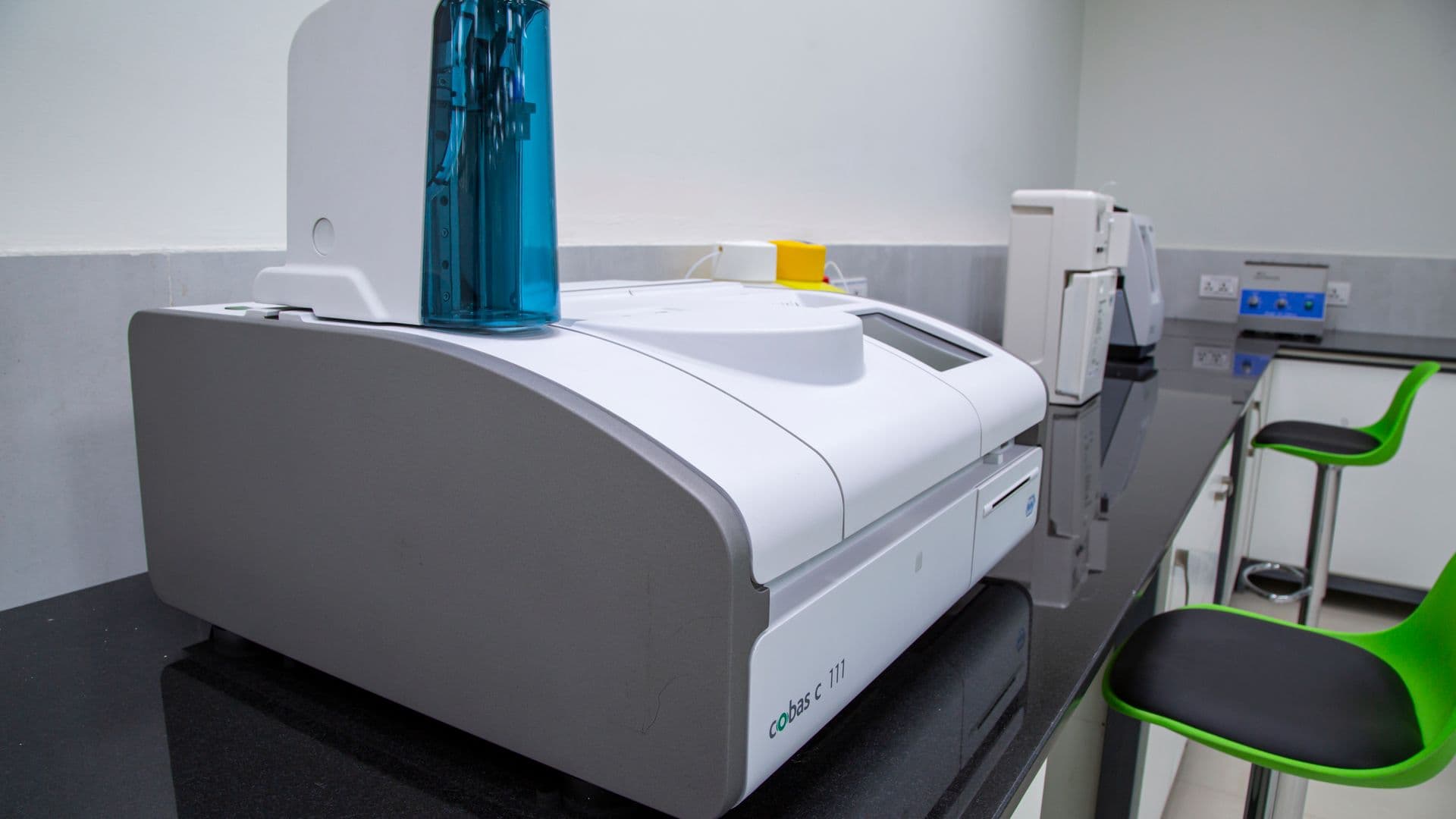
Biochemistry foundations
Foundational molecular, cellular and quantitative biochemistry
Core language of cellular, molecular, mechanistic, physical and quantitative biochemistry.

Complete Admissions Guide
Biochemistry at Oxford is among the most selective courses in the UK. Get 1-to-1 admissions coaching from Oxford or Cambridge graduates with subject-specific admissions expertise.
Last updated: September 2026
Key Facts
Overview
Biochemistry (Molecular and Cellular) at Oxford is a 4-year MBiochem (C700) with an A*AA offer including Chemistry and another Science or Mathematics. The course moves from cellular, molecular, mechanistic, physical and quantitative biochemistry into block-based Years 2–3 teaching and a fourth-year research project.
Why study Biochemistry at Oxford?
Oxford sits at #2 in the Complete University Guide 2026 for biology and biosciences, behind Cambridge at #1, and #5 in the Guardian. No league table ranks Biochemistry on its own, so read those positions as a guide to the wider subject area rather than to this course specifically.
Section 01
Click your country on the map below for country-specific entry guidance - accepted qualifications, expected scores, English-language requirements, and any local context worth knowing before you apply.
International Applicants
Pick a highlighted country to see the admissions-test, score, and English-language requirements that apply for applicants from that country.
Section 02
| Qualification | Typical Offer | Key Requirements |
|---|---|---|
| A-Level | A*AA | Chemistry required. Mathematics, Biology, Physics recommended. |
Section 03
YEAR 12
Confirm course fit
Check course fit and required Chemistry plus another science or Mathematics; build academic evidence of informed interest.
JUN to SEP
Develop your UCAS application
Draft UCAS materials, secure academic reference and check predicted/achieved grades against A*AA.
1 SEP
UCAS submission opens
Completed 2027-entry UCAS applications can be submitted from 1 September 2026; no Oxford admissions test or written work for this course.
15 OCT
Submit UCAS
Oxford deadline is 15 October 2026 at 6pm UK time.
MID NOV to EARLY DEC
Shortlisting and interview invitations
Oxford colleges usually notify applicants between mid-November and early December; Biochemistry usually shortlists roughly three applicants per place.
EARLY to MID DEC
Attend online interviews
Shortlisted applicants attend online academic interviews in December 2026.
12 JAN
Receive Oxford decision
Shortlisted candidates for 2027 entry receive decisions via UCAS on 12 January 2027, with colleges following up later.
2 JUN
Reply to offers
For applicants who receive all decisions by 12 May 2027, the standard UCAS reply deadline is 2 June 2027.
12 AUG
Results and confirmation
A-level results are provisionally scheduled for 12 August 2027; Oxford confirms places for offer-holders who meet conditions.
YEAR 12
Confirm course fit
Check course fit and required Chemistry plus another science or Mathematics; build academic evidence of informed interest.
JUN to SEP
Develop your UCAS application
Draft UCAS materials, secure academic reference and check predicted/achieved grades against A*AA.
1 SEP
UCAS submission opens
Completed 2027-entry UCAS applications can be submitted from 1 September 2026; no Oxford admissions test or written work for this course.
15 OCT
Submit UCAS
Oxford deadline is 15 October 2026 at 6pm UK time.
MID NOV to EARLY DEC
Shortlisting and interview invitations
Oxford colleges usually notify applicants between mid-November and early December; Biochemistry usually shortlists roughly three applicants per place.
EARLY to MID DEC
Attend online interviews
Shortlisted applicants attend online academic interviews in December 2026.
12 JAN
Receive Oxford decision
Shortlisted candidates for 2027 entry receive decisions via UCAS on 12 January 2027, with colleges following up later.
2 JUN
Reply to offers
For applicants who receive all decisions by 12 May 2027, the standard UCAS reply deadline is 2 June 2027.
12 AUG
Results and confirmation
A-level results are provisionally scheduled for 12 August 2027; Oxford confirms places for offer-holders who meet conditions.
Section 04

Biochemistry at University of Oxford does not require a written admissions test for 2027 entry. Applications are assessed on academic record, personal statement, submitted written work (where requested), and interview performance.
Always verify on the official Oxford admissions tests page.
Section 05
Interview Invitation
Late Nov
Arrival to Interview
Early Dec
Technical Question
Mid Dec
Decision
Early Jan
Interview Invitation
Late Nov
Arrival to Interview
Early Dec
Technical Question
Mid Dec
Decision
Early Jan
Question Types You’ll See
Oxford Biochemistry interviews are tutorial-style academic discussions focused on problem solving rather than rehearsed answers.
The interview can test interest in biochemistry, ability to analyse relevant scientific topics, extrapolation from novel information, reasoning and problem-solving, and use of school-level chemistry, biology, mathematics and physics.
Practice with unfamiliar figures, mechanisms and short experimental descriptions. Strong answers usually show a clear chain of reasoning, a willingness to correct course, and the discipline to say what you do not yet know.
Practice real Oxford Biochemistry interview questions from our free question bank.
Biochemistry Interview Questions →
Section 06
Oxford makes Biochemistry decisions from the full academic application, with evidence coming from academic record or predictions, personal statement, reference and interview performance, interpreted with contextual data where available. No admissions test and no written work are required for this course.
In practice, the safest preparation is balanced: a strong academic record, clear subject evidence in the personal statement, a supportive academic reference and interview practice that uses molecular, cellular and quantitative reasoning.
Our recommendation · weighting of admission factors
Oxbridge Mentors recommendation, drawn from observed offer patterns. University of Oxford does not publish official weightings - exact balance varies by college, course and year.
Section 07

For Biochemistry, avoid a statement that reads like a general Biology application or a generic interest in science. The Oxford course combines molecular and cellular biology with chemistry, physical biochemistry and quantitative reasoning, so the statement should show how you connect molecules, mechanisms, data and cells.
A strong paragraph might begin with one specific problem: how protein structure changes function, how membranes shape signalling, how enzymes control reaction pathways, or how experimental design affects interpretation. Explain what you read, what you understood, what confused you, and what you did next.
Because the course includes quantitative and physical biochemistry, include at least one example where chemistry, mathematics or data analysis changed your understanding of a biological question. This is more useful than listing many activities without showing how your thinking developed.
Section 08
Use supercurricular work to move beyond the school syllabus: read, watch, listen, attend talks, try short courses or competitions, and then reflect on what changed your thinking. Oxford’s advice is to explore, engage and reflect; depth of thought about one or two resources is usually stronger than a long list of titles. For Biochemistry, strong choices include molecular biology, genetics, enzymology, structural biology, cell signalling, metabolism, biotechnology or disease mechanisms. Keep notes on questions you asked, evidence you found persuasive and links to Chemistry, Biology, Mathematics or Physics.
Competitions are not required for a strong application. What they do is demonstrate intellectual curiosity and independent engagement with your subject.

Section 09
Year
01 / 04
1
Foundational molecular, cellular and quantitative biochemistry
Core language of cellular, molecular, mechanistic, physical and quantitative biochemistry.

Year
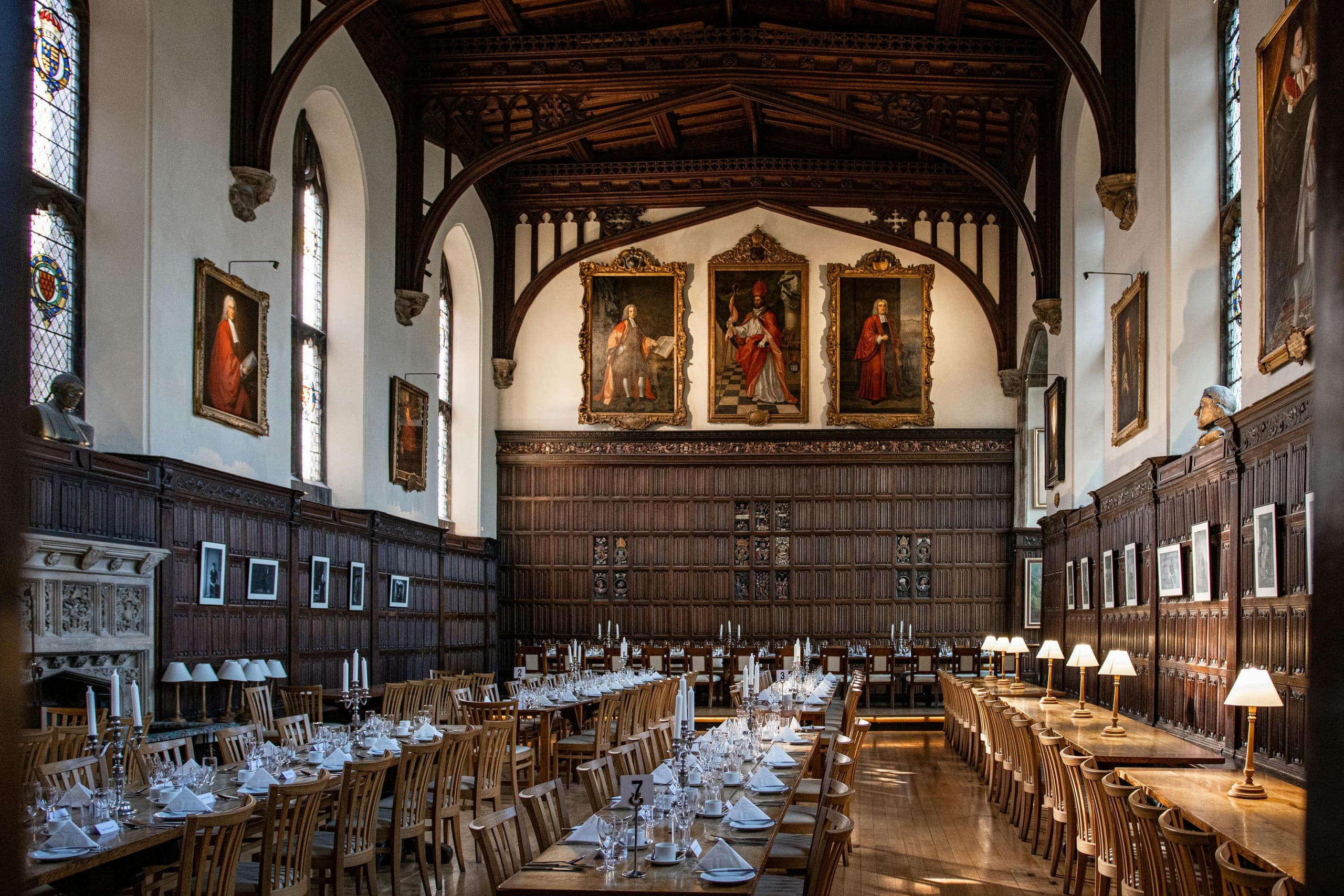
02 / 04
2
Block teaching across five subject threads
One-week blocks focused around biochemical questions.

Year
03 / 04
3
Advanced integrated biochemistry and Part I finals
Continuation and deepening of Part I block-based structure, culminating in Part I finals.
Year
04 / 04
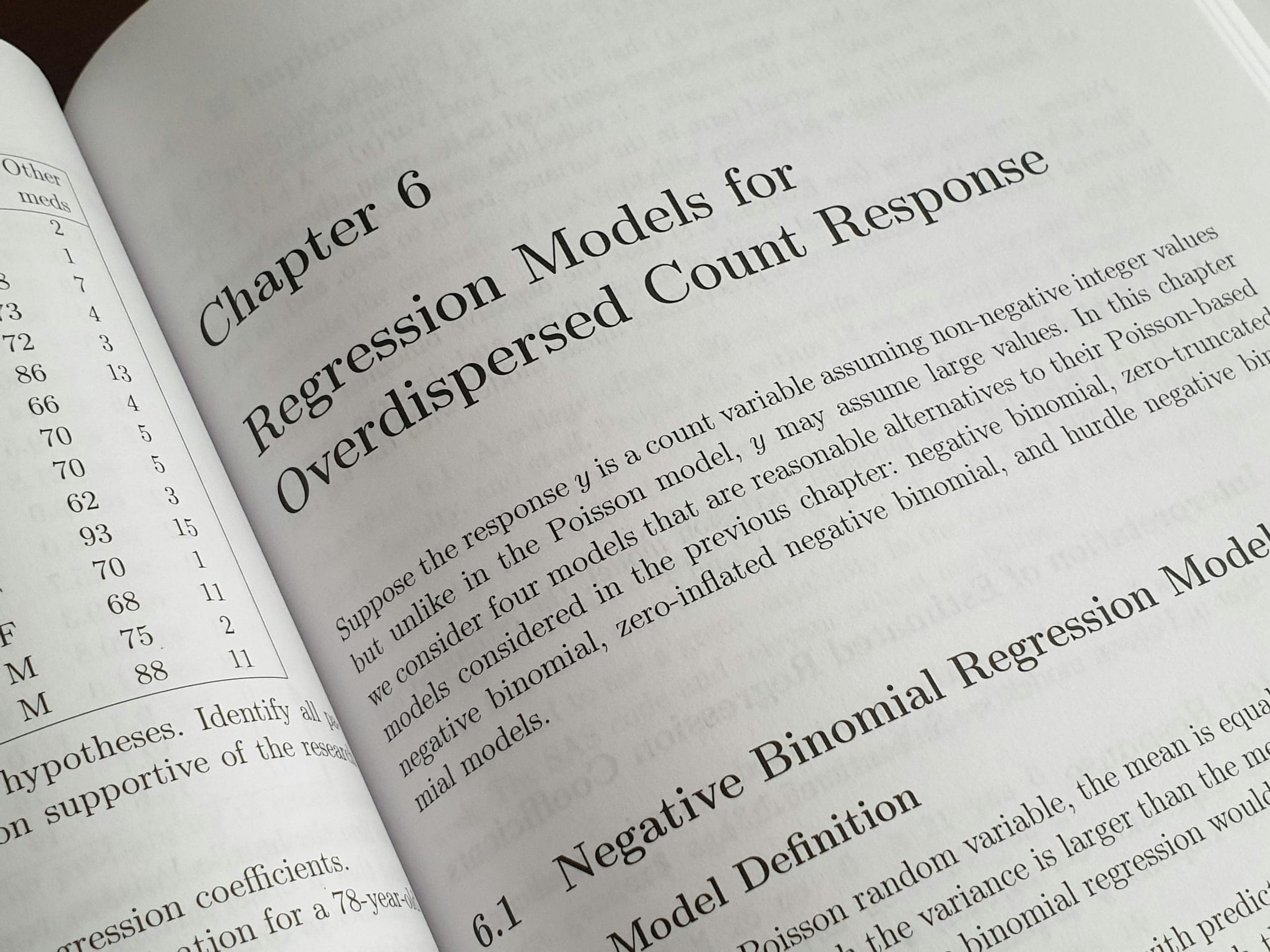
4
Integrated master's research year
In-depth research project, normally in a research group, plus review article and advanced skills.
Section 10
Build subject knowledge around the same threads the course tests and teaches: cellular biochemistry, molecular biochemistry, mechanistic biochemistry, physical biochemistry and quantitative biochemistry. Useful preparation asks not only “what happens?” but “what is the molecular evidence, and what would change the interpretation?”
For interview preparation, practice explaining graphs, experimental results and unfamiliar molecules aloud.
A practical way to prepare is to keep notes organised by mechanism, evidence and uncertainty: what the system does, how researchers know, and what question remains. That creates material for the personal statement while also building the habit of thinking through novel data in conversation.
Biochemistry: A Very Short Introduction By John Nurmi maps the discipline compactly for applicants unfamiliar with university-level content. For deeper engagement, Molecular Biology of the Cell By Alberts et al. Is the standard university text; the earlier chapters on protein structure, membranes and the cell cycle are the most accessible entry points.
For video, iBiology publishes research-level lectures by leading biochemists on topics including CRISPR, protein folding and signal transduction, the kind of depth Oxford interviews expect. MIT OpenCourseWare Has full recorded biochemistry lecture series accessible for free.
For current research awareness, Nature Podcast Provides a weekly overview of high-impact papers in biology and biochemistry. Reading the abstract and conclusion of one Nature Biochemistry or PNAS paper each week and practicing a one-paragraph summary builds interview fluency.

Section 11
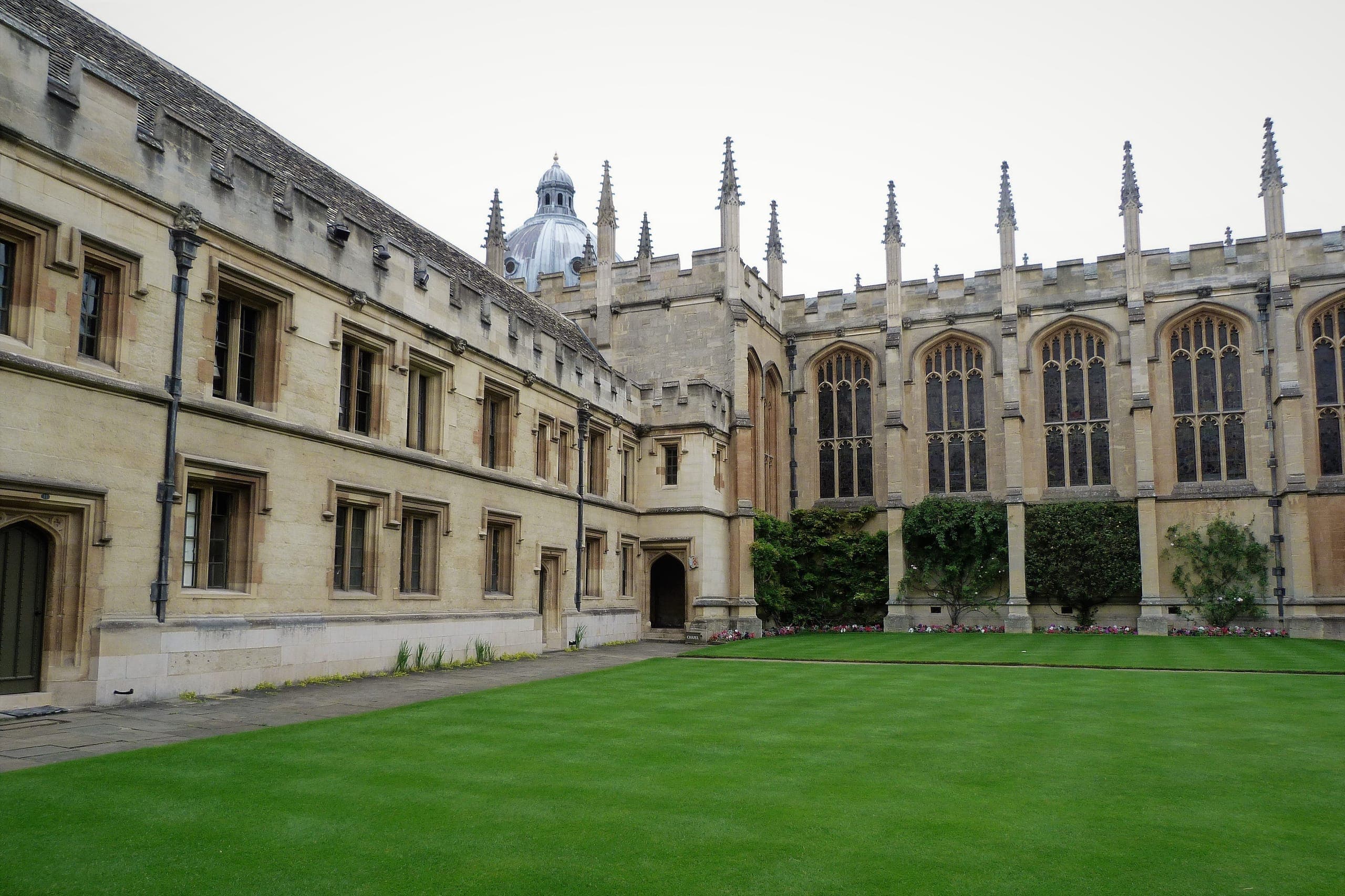
25 colleges offer this subject.
Oxford’s course page asks applicants to choose either a college preference or an open application, and to check which colleges offer the course before applying. The official college list includes 25 colleges for Biochemistry (Molecular and Cellular).
College choice should not be treated as a way to game the admissions process. Choose for practical reasons such as location, accommodation, atmosphere, access needs and subject availability, or make an open application if you do not have a strong preference.
The Biochemistry Department’s open-offer scheme means some candidates may receive a guaranteed University and college place if they meet the conditions, with the specific college decided in August once results and vacancies are known. This is separate from making an open application at UCAS stage.
Section 12
Oxford describes broad Biochemistry destinations including biotechnology and pharmaceuticals, academic research, education, law, finance, data science and publishing. The Discover Uni figures are official but based on small samples: 40 respondents for overall work/study and 20 employed graduates for occupation type. With that caveat first, Discover Uni reports 80% in work and/or study at 15 months and 90% of employed graduates in highly skilled work.
The main point for applicants is not that the degree points to one single profession. It is that the course combines molecular science, experimental reasoning, data interpretation and a substantial fourth-year research project.
Section 13
Oxford decisions for Biochemistry are made from the full academic application and interpreted with contextual data where available.
Context is therefore best understood as explanatory evidence around achievement and opportunity, not as a substitute for the course’s subject requirements. Applicants should make sure their UCAS reference and school information clearly explain significant disruption, limited subject availability or educational circumstances relevant to their academic record.
Watch & Learn
Student vlogs, mock interviews, lecture tasters, and admissions advice.
Official University of Oxford video introducing the Biochemistry (Molecular and Cellular) course.
Oxford undergraduate admissions demonstration interview for Biochemistry.
Oxford-linked lecture resource for applicants exploring biochemical mechanisms beyond school study.
All videos are the property of their respective creators.
Further Reading
Super-curricular reading, websites, and tools recommended by our expert tutors.