Start with the official course page, because it sets out the available routes, entry requirements, course structure and written-work requirement for this exact degree.
Beyond those official sources, build knowledge through texts rather than summaries. Keep notes on short passages: what the grammar does, what the translation loses, and how the cultural context changes the reading.
For modern-language preparation, active language work matters. It helps to read aloud, summarise short texts, and practice explaining a literary point without translating every sentence mechanically.
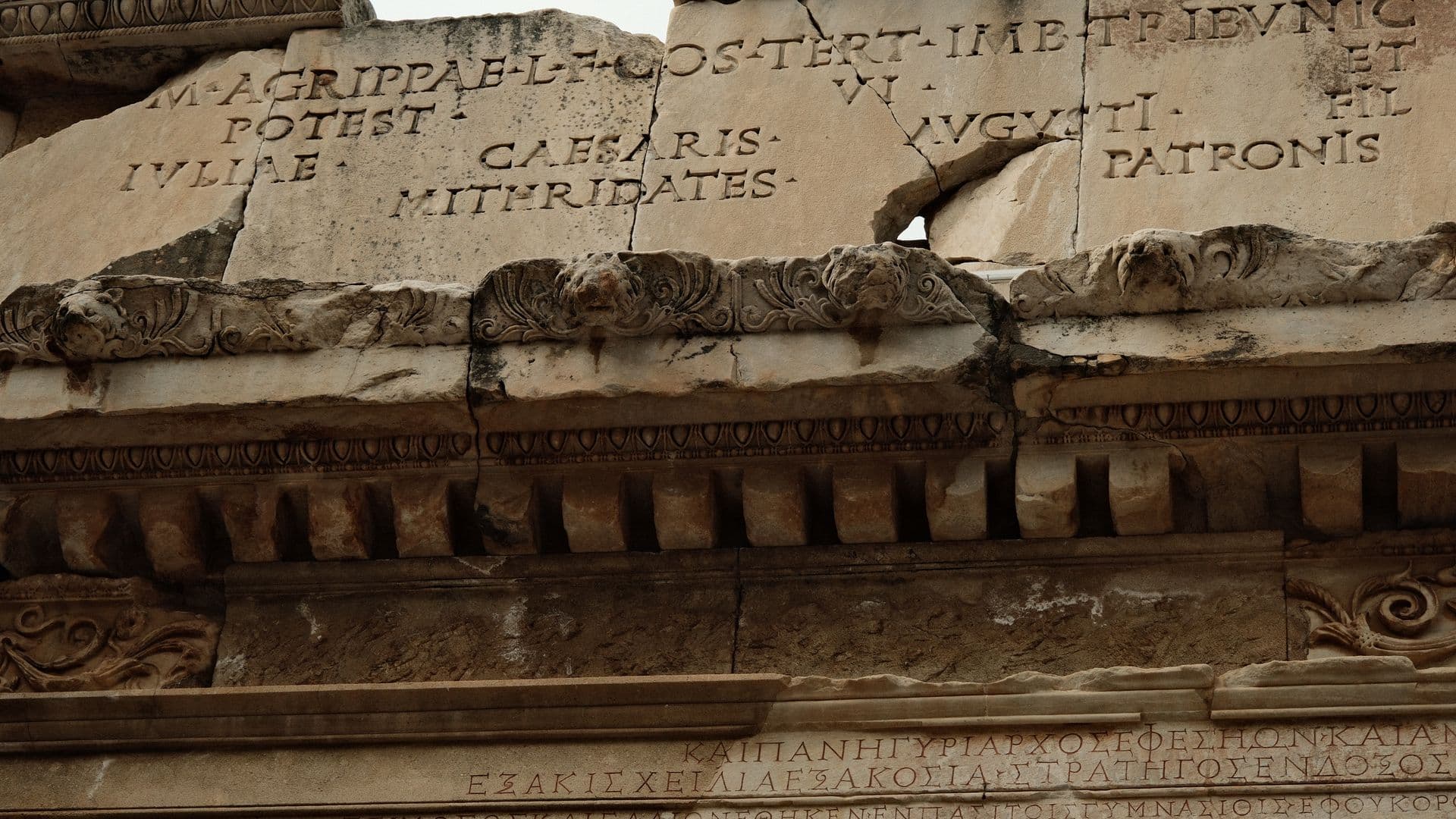
For classical preparation, Faculty of Classics, University of Oxford And Center for Hellenic Studies Publish lectures on ancient texts, history and reception. For structured language study, Getting started on classical Latin On FutureLearn builds Latin grammar from the ground up, and The Ancient Greek Hero On edX (Harvard) gives sustained engagement with Homer and Sappho.
For the modern language component, Oxford Modern Languages Publishes faculty lectures and subject talks on modern literature and linguistics. Stephen Spender Prize For poetry translation is directly relevant: preparing a competition entry forces close attention to how meaning changes between ancient, classical and modern language registers.