

Year
01 / 03
1
Year 1
Year 1 of the three-year BFA. Check the official course page for the current module titles.

Complete Admissions Guide
Fine Art at Oxford is among the most selective courses in the UK. Get 1-to-1 admissions coaching from Oxford or Cambridge graduates with subject-specific admissions expertise.
Last updated: September 2026
Key Facts
Overview
Fine Art at the University of Oxford is a 3-year BFA (UCAS W100) with assessment centred on portfolio, exhibition and interview evidence. For 2027 entry, applicants need AAA, or AAB with a post-18 Art Foundation course, submit a digital portfolio by 5 November 2026, and do not sit a written admissions test.
Why study Fine Art at Oxford?
Oxford is listed as #3 in Guardian Fine Art 2026 and #2 in CUG Art & Design 2026.
Section 01
Click your country on the map below for country-specific entry guidance - accepted qualifications, expected scores, English-language requirements, and any local context worth knowing before you apply.
International Applicants
Pick a highlighted country to see the admissions-test, score, and English-language requirements that apply for applicants from that country.
Section 02
| Qualification | Typical Offer | Key Requirements |
|---|---|---|
| A-Level | AAA (or AAB for candidates who have undertaken or completed a post-18 Art Foundation course) | |
| IB Diploma | 38 (including core points) with 666 at HL | |
| Advanced Placement (AP) | Either four APs at grade 5 (including any subjects required for the course) or three APs at grade 5 (including any subjects required for the course) plus ACT 31+ or SAT 1460+. |
Section 03
October 2026
UCAS deadline
15 October 2026 (6pm UK time)
November 2026
Portfolio deadline
Thursday 5 November 2026
December 2026
Interview window
Week beginning Monday 8 December 2026; check live Oxford interview timetable before publication for exact departmental/second-college timing.
January 2027
Decisions released
12 January 2027 via UCAS; colleges follow up directly later that day
May 2027
UCAS reply deadline
5 May 2027 if all university/college decisions are received by 31 March 2027; otherwise follow the applicant's UCAS personal deadline
August 2027
Results day
August 2027; exact JCQ/A-level date not verified in sources checked
October 2026
UCAS deadline
15 October 2026 (6pm UK time)
November 2026
Portfolio deadline
Thursday 5 November 2026
December 2026
Interview window
Week beginning Monday 8 December 2026; check live Oxford interview timetable before publication for exact departmental/second-college timing.
January 2027
Decisions released
12 January 2027 via UCAS; colleges follow up directly later that day
May 2027
UCAS reply deadline
5 May 2027 if all university/college decisions are received by 31 March 2027; otherwise follow the applicant's UCAS personal deadline
August 2027
Results day
August 2027; exact JCQ/A-level date not verified in sources checked
Section 04

Fine Art at University of Oxford does not require a written admissions test for 2027 entry. Applications are assessed on academic record, personal statement, submitted written work (where requested), and interview performance.
Always verify on the official Oxford admissions tests page.
Section 05
Interview Invitation
Late Nov
Arrival to Interview
Early Dec
Technical Question
Mid Dec
Decision
Early Jan
Interview Invitation
Late Nov
Arrival to Interview
Early Dec
Technical Question
Mid Dec
Decision
Early Jan
Question Types You’ll See
The interview is online and takes the form of an academic discussion based on portfolio and recent work.
The interview tests your ability to discuss recent work, creative choices, artistic process, engagement beyond school, purpose, contemporary art and critical reflection.
Shortlisted candidates submit additional recent work before interview, with the precise deadline included in the invitation.
Prepare by choosing a small number of works you can discuss slowly. In reality, the strongest preparation is not memorising set answers; it is being able to explain why a piece changed, failed, or led somewhere unexpected.
Practice real Oxford Fine Art interview questions from our free question bank.
Fine Art Interview Questions →
Section 06
Fine Art decisions are portfolio-led, with interviews probing the ideas, motivations and critical awareness behind the work.
The listed criteria are portfolio and recent-work submission, interview discussion, academic record and reference, and personal statement with wider artistic engagement.
In reality, this means your portfolio cannot simply display technical finish. It has to show direction, decisions, revision and the ability to talk about your own work without sounding rehearsed.
Our recommendation · weighting of admission factors
Oxbridge Mentors recommendation, drawn from observed offer patterns. University of Oxford does not publish official weightings - exact balance varies by college, course and year.
Section 07

Treat the personal statement as a short account of how your practice has developed, not as a list of exhibitions, artists and workshops.
It helps to write about one or two works in enough detail that the reader can see your decision-making. Explain what you tried, what changed, what failed, and what you would do next.
Avoid claiming a fixed artistic identity too early. A Fine Art application is usually stronger when it shows curiosity, testing and reflection rather than a polished brand.
Section 08
Use projects to generate material for your portfolio rather than treating them as extracurricular decoration. For Fine Art, a useful project should leave evidence of studio process: material tests, failed versions, research notes, image references, installation decisions or changes in scale, not just a final polished piece.
Do not populate specific project examples from this alone.

Section 08
Useful activities usually help when they change the work you make or the way you discuss it. Keep a simple notebook of exhibitions, images, materials, artists and questions that genuinely affect your practice.
These are support, not substitute.
Section 08
Do not name competitions in the CMS from this alone. None are required; one or two done well beats five half-attempted.
Section 09
Year
01 / 03
1
Year 1 of the three-year BFA. Check the official course page for the current module titles.
Year
02 / 03
2
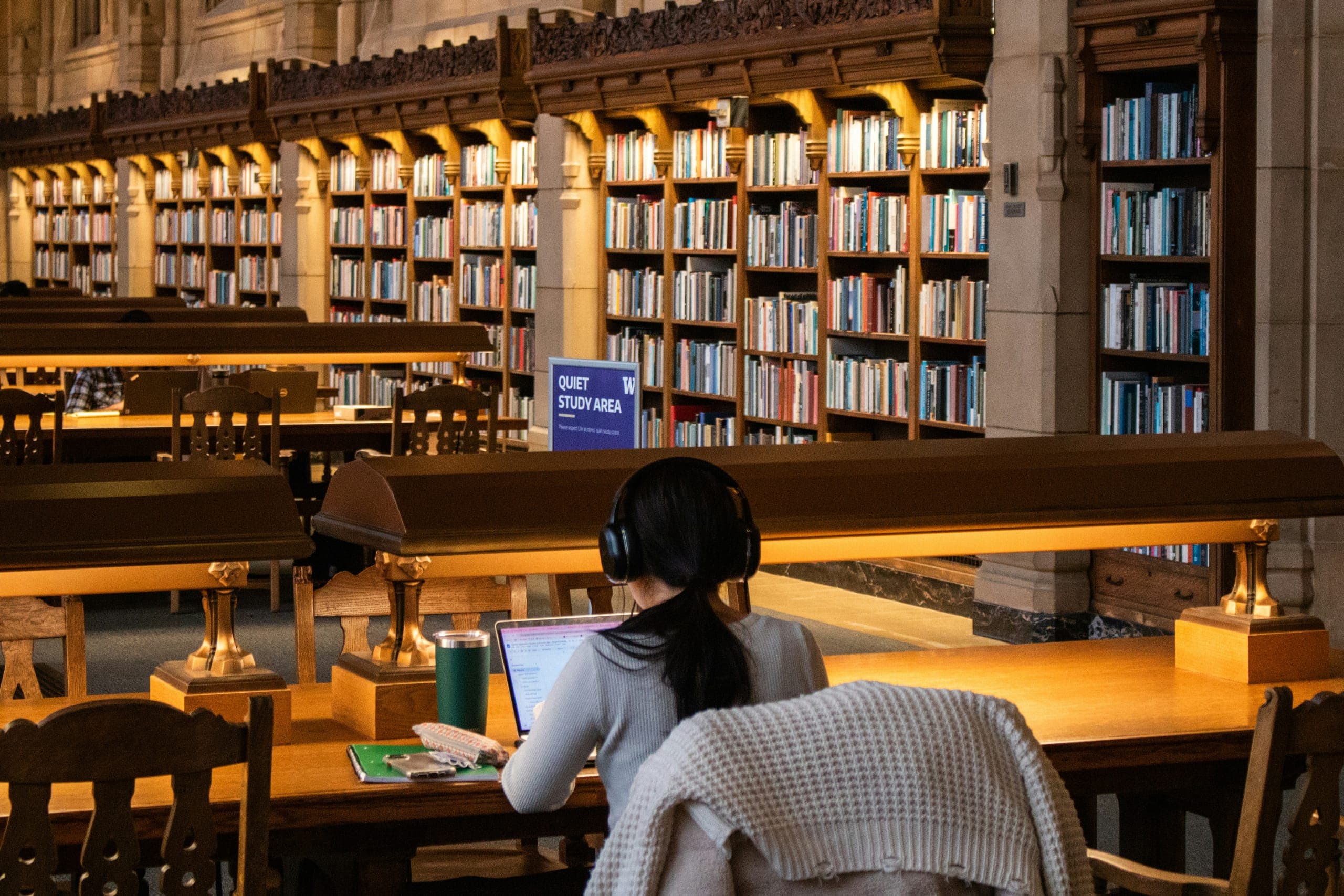
Year 2 continues the verified pattern of sustained studio practice supported by history and theory work.
Year
03 / 03
3
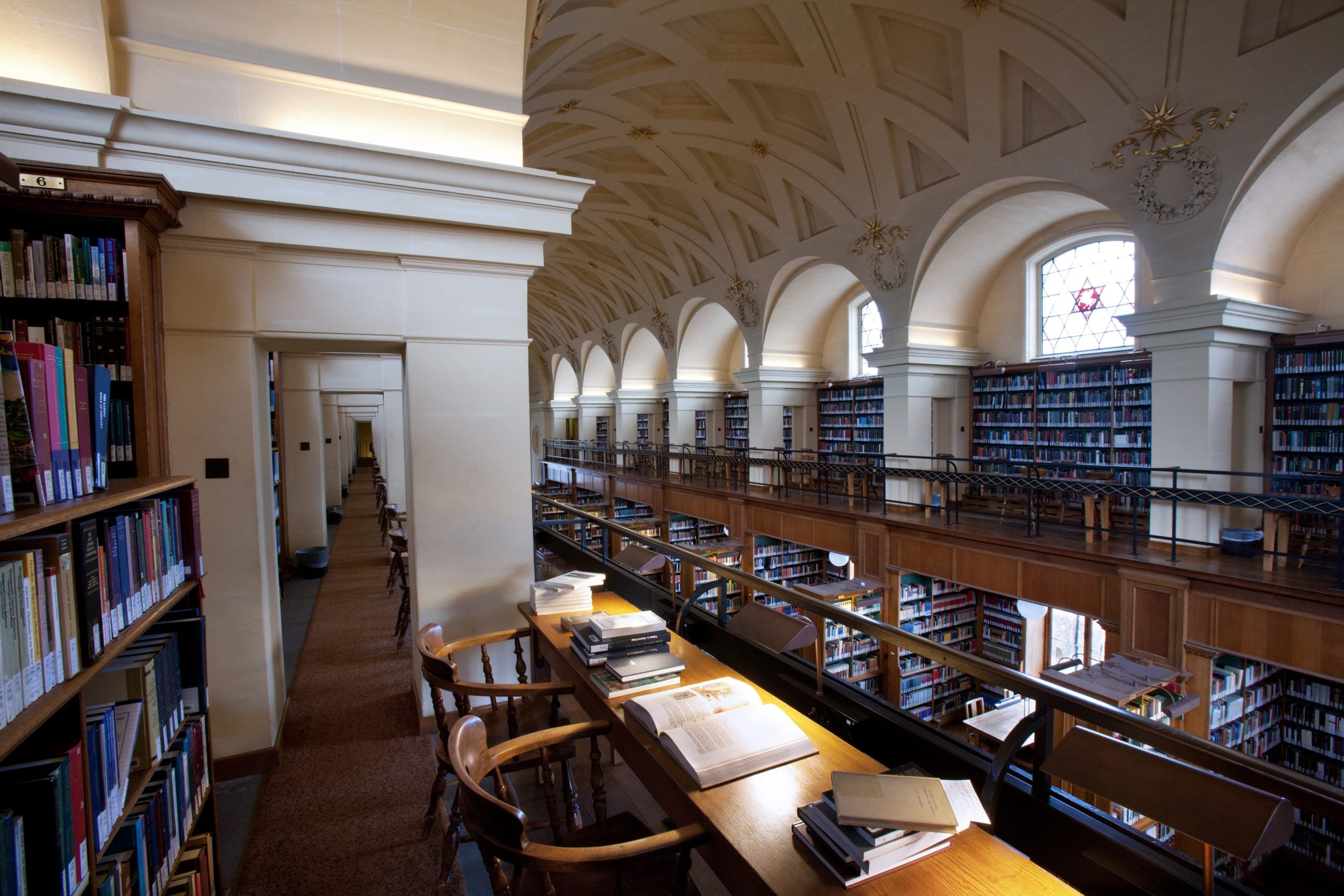
Final assessment includes an extended essay, portfolio of work and exhibition.
Section 10
The portfolio is required for Fine Art.
The submission is digital via SlideRoom after UCAS, and Ruskin says only SlideRoom submissions are considered.
Applicants can upload videos, photographs, audio files and PDFs, with up to 20 files.
The portfolio deadline for 2027 entry is Thursday 5 November 2026.
There is no prescribed content, but candidates should include a range of work showing artistic and intellectual interests, curiosity about contemporary art, breadth of engagement, purpose and an emerging artistic voice.
Shortlisted candidates submit additional recent work before interview.
Select work that reveals process as well as finish. A consistent line of enquiry is usually more persuasive than a portfolio that tries to show every medium equally.

Section 11
Start with the Fine Art course page, because it anchors the degree title, code, requirements and admissions facts.
Use Applying to study for a BFA for department-level application guidance.
Use Submitting a portfolio for portfolio format and submission guidance.
International applicants should also use Oxford international qualifications And Oxford English language and visa requirements.
Note: enrichment resources such as books, podcasts, videos, exhibitions and competitions should be added only after a separate link and eligibility review.

Section 12
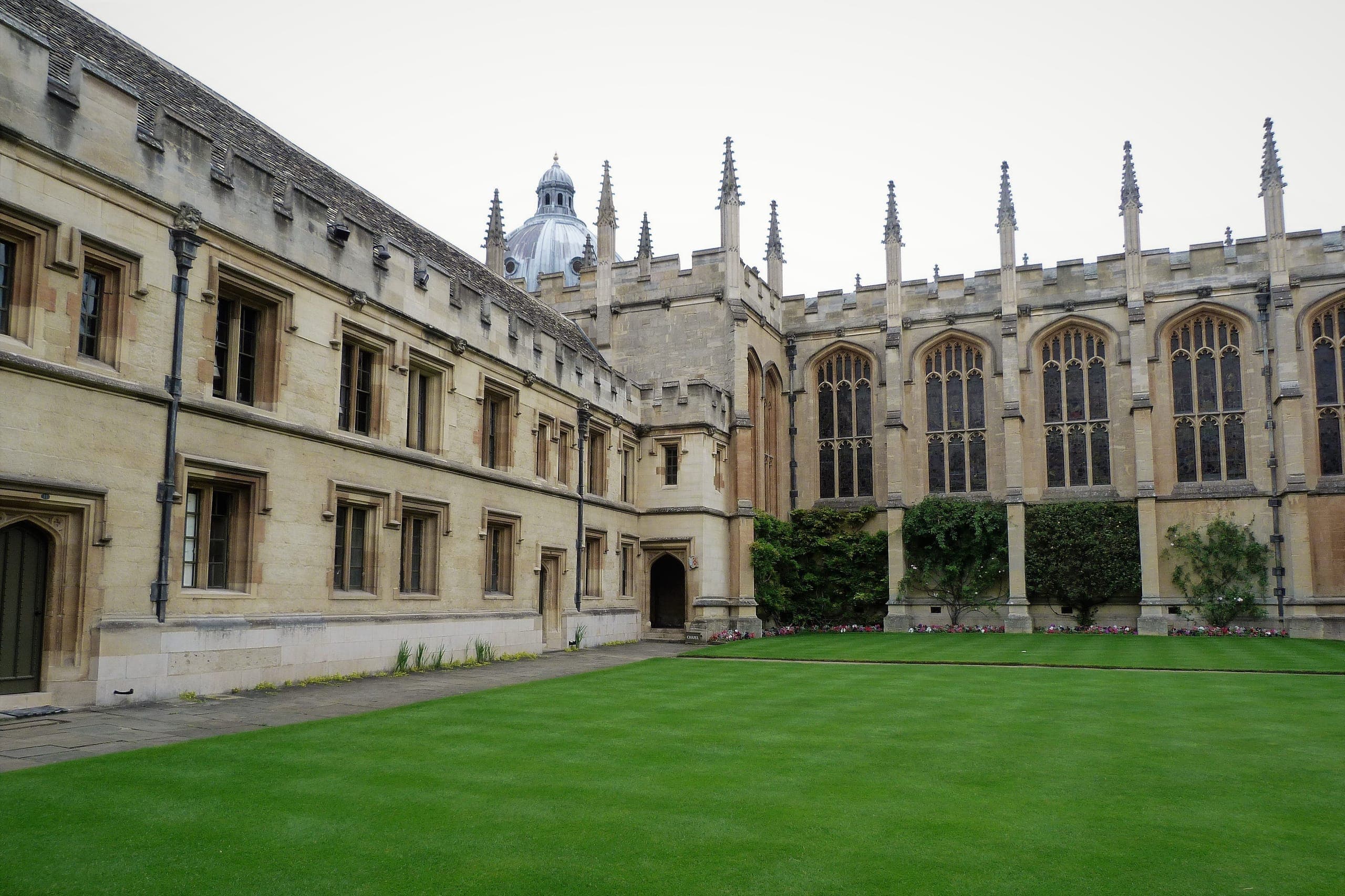
30 colleges offer this subject.
Open applications are allocated to colleges with fewer applications.
Shortlisted named-college applicants may also be reallocated or interviewed by another college, and Fine Art candidates may be offered by a different college.
Around a third of successful applicants receive an offer from a college they did not specify.
College choice matters mainly for community, accommodation, tutors and practical preferences; it should not be treated as a tactic for easier entry.
Section 13
Oxford describes Fine Art graduate destinations across artists, teaching, curating, museums and galleries, community arts, culture and heritage, architecture, music, theatre, communications, film, digital media, academia and art writing.
Discover Uni reports 90% work or study 15 months after graduation, but the detailed occupation categories are wider-subject data rather than course-specific Fine Art data.
Read the career data as directional rather than predictive. Because Oxford’s published destination examples span artist, curator, museum/gallery, community-arts and art-writing routes, Fine Art outcomes should be understood as practice-led pathways rather than a single graduate job track.
Section 14
Oxford considers grades in context where possible.
The Art Foundation recommendation and AAB route should be distinguished from formal requirements for all applicants.
Explain disruption, subject availability or school constraints plainly. The aim is not to excuse weak preparation, but to help tutors read your academic and artistic record in context.
Watch & Learn
Student vlogs, mock interviews, lecture tasters, and admissions advice.
All videos are the property of their respective creators.
Further Reading
Super-curricular reading, websites, and tools recommended by our expert tutors.