

Year
01 / 04
1
Year 1
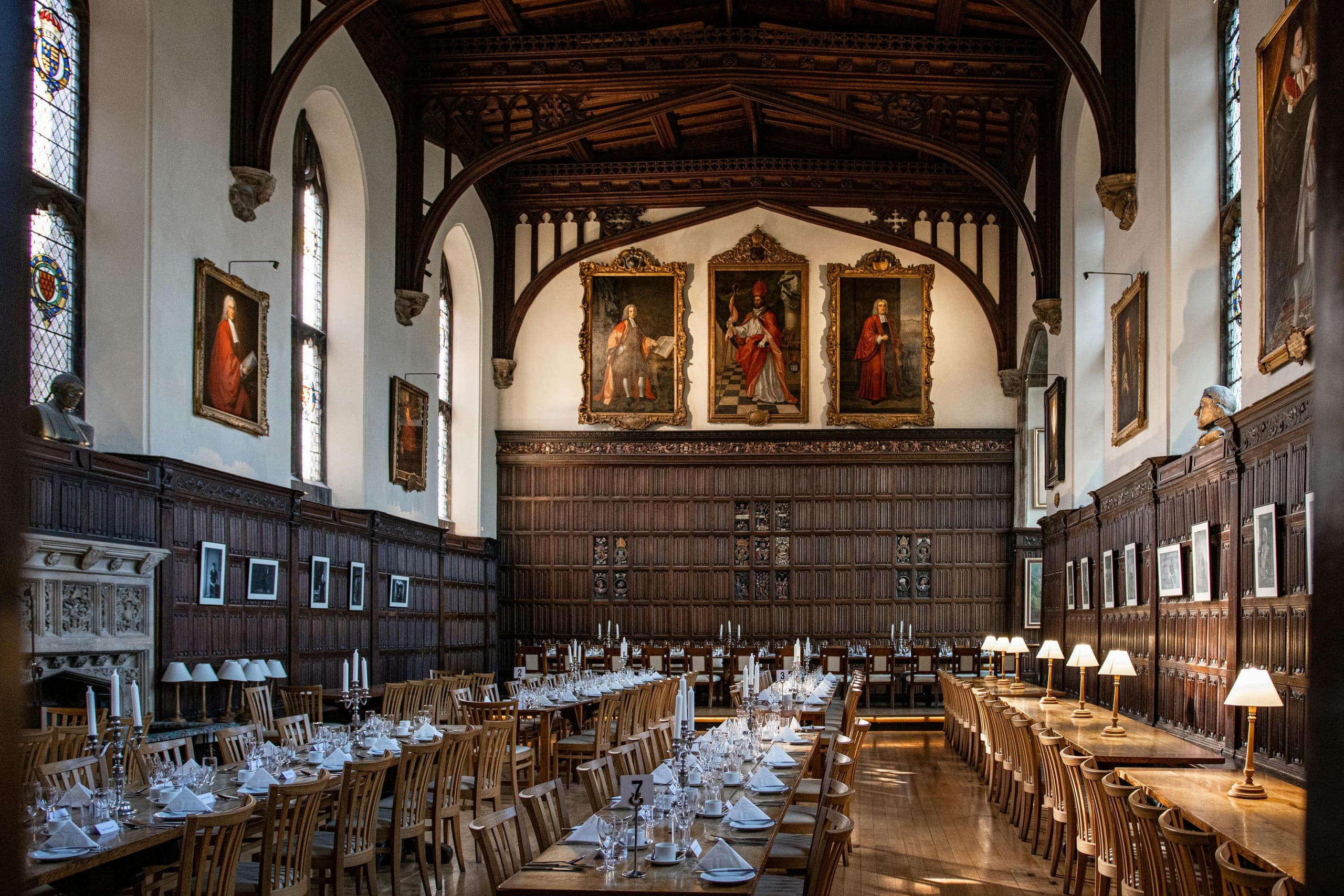
Foundation work split between History and Modern Language, leading to First University examinations.

Complete Admissions Guide
History and Modern Languages at Oxford is among the most selective courses in the UK. Get 1-to-1 admissions coaching from Oxford or Cambridge graduates with subject-specific admissions expertise.
Last updated: September 2026
Key Facts
Overview
History and Modern Languages at Oxford is a four-year BA with a typical AAA offer and a third year spent abroad through work, a language assistantship, an internship or university study. Oxford lists language-specific UCAS codes, so applicants should check the code for their route.
Why study History and Modern Languages at Oxford?
This course is for applicants who want to join historical argument with advanced language study, rather than treat the two subjects as separate interests.
Section 01
Click your country on the map below for country-specific entry guidance - accepted qualifications, expected scores, English-language requirements, and any local context worth knowing before you apply.
International Applicants
Pick a highlighted country to see the admissions-test, score, and English-language requirements that apply for applicants from that country.
Section 02
| Qualification | Typical Offer | Key Requirements |
|---|---|---|
| A-Level | AAA | A modern language required. History recommended. |
| IB Diploma | 38 (including core points) with 666 at HL | |
| Advanced Placement (AP) | Either four APs at grade 5 (including any subjects required for the course) or three APs at grade 5 (including any subjects required for the course) plus ACT 31+ or SAT 1460+. |
Section 03
May–September 2026
Build the UCAS application
Choose the course and college/open-application route, draft the personal statement, organise the academic reference and confirm whether the chosen language route has the required preparation.
15 October 2026
Oxford/UCAS deadline
Same Oxford/UCAS deadline for UK and international applicants: submit by 6pm (BST) on 15 October 2026 for 2027 entry.
10 November 2026
Written work deadline
History and Modern Languages applicants should follow the History written-work requirement: one argument-driven essay on a historical topic, written as normal school or college work, maximum 2,000 words. It should not be a source analysis or commentary requiring the assessor to read source material, should include the question being answered, and must be submitted with the signed written-work certificate/cover process required by the college. Applicants may be asked to discuss it at interview.
Late November–early December 2026
Interview invitations
Oxford's admissions timeline indicates that applicants find out whether they have been shortlisted from the end of November, with interview preparation beginning in November.
Early–mid December 2026
Online interviews for shortlisted applicants
Shortlisted applicants are invited to online interviews in December. Tutors may discuss written work and the personal statement, and applicants may be asked to read or discuss a short text in English and/or the modern language.
12 January 2027
Oxford decision date
Oxford's applicant guide states that shortlisted candidates for 2027 entry will be informed of the outcome via UCAS on 12 January 2027, with college follow-up later that day.
August 2027
Meet offer conditions
Conditional offer-holders must meet the academic and any English-language or administrative conditions attached to their offer before the place is confirmed.
May–September 2026
Build the UCAS application
Choose the course and college/open-application route, draft the personal statement, organise the academic reference and confirm whether the chosen language route has the required preparation.
15 October 2026
Oxford/UCAS deadline
Same Oxford/UCAS deadline for UK and international applicants: submit by 6pm (BST) on 15 October 2026 for 2027 entry.
10 November 2026
Written work deadline
History and Modern Languages applicants should follow the History written-work requirement: one argument-driven essay on a historical topic, written as normal school or college work, maximum 2,000 words. It should not be a source analysis or commentary requiring the assessor to read source material, should include the question being answered, and must be submitted with the signed written-work certificate/cover process required by the college. Applicants may be asked to discuss it at interview.
Late November–early December 2026
Interview invitations
Oxford's admissions timeline indicates that applicants find out whether they have been shortlisted from the end of November, with interview preparation beginning in November.
Early–mid December 2026
Online interviews for shortlisted applicants
Shortlisted applicants are invited to online interviews in December. Tutors may discuss written work and the personal statement, and applicants may be asked to read or discuss a short text in English and/or the modern language.
12 January 2027
Oxford decision date
Oxford's applicant guide states that shortlisted candidates for 2027 entry will be informed of the outcome via UCAS on 12 January 2027, with college follow-up later that day.
August 2027
Meet offer conditions
Conditional offer-holders must meet the academic and any English-language or administrative conditions attached to their offer before the place is confirmed.
Section 04

History and Modern Languages at University of Oxford does not require a written admissions test for 2027 entry. Applications are assessed on academic record, personal statement, submitted written work (where requested), and interview performance.
Always verify on the official Oxford admissions tests page.
Section 05
Interview Invitation
Late Nov
Arrival to Interview
Early Dec
Technical Question
Mid Dec
Decision
Early Jan
Interview Invitation
Late Nov
Arrival to Interview
Early Dec
Technical Question
Mid Dec
Decision
Early Jan
Question Types You’ll See
Shortlisted applicants are invited to online interviews in December.
We recommend preparing by practicing close reading, oral explanation and argument revision under questioning. The aim is not to memorise model answers, but to show how you handle evidence, language and uncertainty in real time.
Practice real Oxford History and Modern Languages interview questions from our free question bank.
History and Modern Languages Interview Questions →
Section 06
Oxford’s contextual notes state that grades are considered in the context in which they were achieved.
The same notes say contextual data may include school performance, area-level participation or disadvantage, care experience and eligibility for free school meals.
In reality, no single element should be treated as the whole application. A strong application usually makes the transcript, written work, personal statement and interview point in the same academic direction.
Our recommendation · weighting of admission factors
Oxbridge Mentors recommendation, drawn from observed offer patterns. University of Oxford does not publish official weightings - exact balance varies by college, course and year.
Section 07

A good statement should not simply say that you enjoy History and languages. It should show what kind of historical questions you ask, what language material you have engaged with, and how the two interests inform each other.
We recommend choosing two or three examples and treating them seriously. A paragraph on one historical debate, one target-language source and one cultural-memory question is usually stronger than a long list of books, podcasts and trips.
The course-specific evidence matters: the written work is an argument-driven historical essay, while interviews may include discussion of submitted work, the personal statement and a short text in English and/or the modern language.
Reflection matters more than volume. Explain what changed your view, where evidence was difficult, and how language shaped the historical interpretation.
Section 08
A good project for this course should connect historical argument with language, culture or source interpretation. The strongest work is usually small, precise and honest about its limits.

Section 08
Other supercurricular work should help you think, write and speak more clearly about historical evidence and target-language culture.
These activities are support, not a substitute for careful reading and argument.
Monograph reading:
Read a small number of serious history books deeply rather than collecting long lists; keep notes on argument, evidence and methodology.
Target-language immersion:
Use news, podcasts, films, short stories or essays in the chosen language and build vocabulary around political, historical and cultural themes.
Essay and argument practice:
Write timed and untimed essays that take a clear line, test evidence and engage with counterarguments.
Museums, archives and local history:
Use exhibitions, digital archives or local records to practice asking historical questions from primary material rather than passively consuming narratives.
Discussion and oral explanation:
Practice explaining an argument aloud, responding to unfamiliar questions, and defending or revising a view under challenge.
Comparative culture:
Explore how language, literature, film, politics and historical memory intersect in the target-language society.
Section 08
Competitions are not required. They can be useful because they force a focused question, a deadline and a piece of extended written argument.
None are required; one or two done well beats five half-attempted.
Coaching for these competitions
Section 09
Year
01 / 04
1
Foundation work split between History and Modern Language, leading to First University examinations.
Year
02 / 04
2
Start Final Honour School work at Oxford before the year abroad; the official page groups Years 2 and 4 together.
Year
03 / 04
3
Year normally spent abroad.
Year
04 / 04
4
Return to Oxford for final-year History and Modern Languages papers and submitted work.
Section 10

History and Modern Languages applicants should submit one argument-driven essay on a historical topic, written as normal school or college work.
The maximum length is 2,000 words, and the 2027-entry deadline in the uploaded is 10 November 2026.
The essay should not be a source analysis or commentary requiring the assessor to read source material, and it should include the question being answered.
Applicants must submit it with the signed written-work certificate or cover process required by the college, and they may be asked to discuss it at interview.
Section 11
The point is not to consume everything. Build a small set of examples you can discuss in terms of argument, evidence, language and interpretation.
The Sleepwalkers By Christopher Clark is one of the most argued-over works of modern European history and exemplifies how historical narrative, diplomatic records and cultural context combine. Pair it with Orientalism By Edward Said for the postcolonial perspective on language, literature and empire.
For video, Historia Lectures Covers European and world history at a level above school-syllabus depth. Oxford Modern Languages Provides faculty-level talks on literary and linguistic questions in the modern languages component.
For language practice alongside historical reading, Stephen Spender Prize For poetry translation is particularly valuable for this joint degree because it requires working between a modern language and English at a high literary level. In Our Time Has wide-ranging episodes on European intellectual history from Machiavelli to Marx.

Section 12
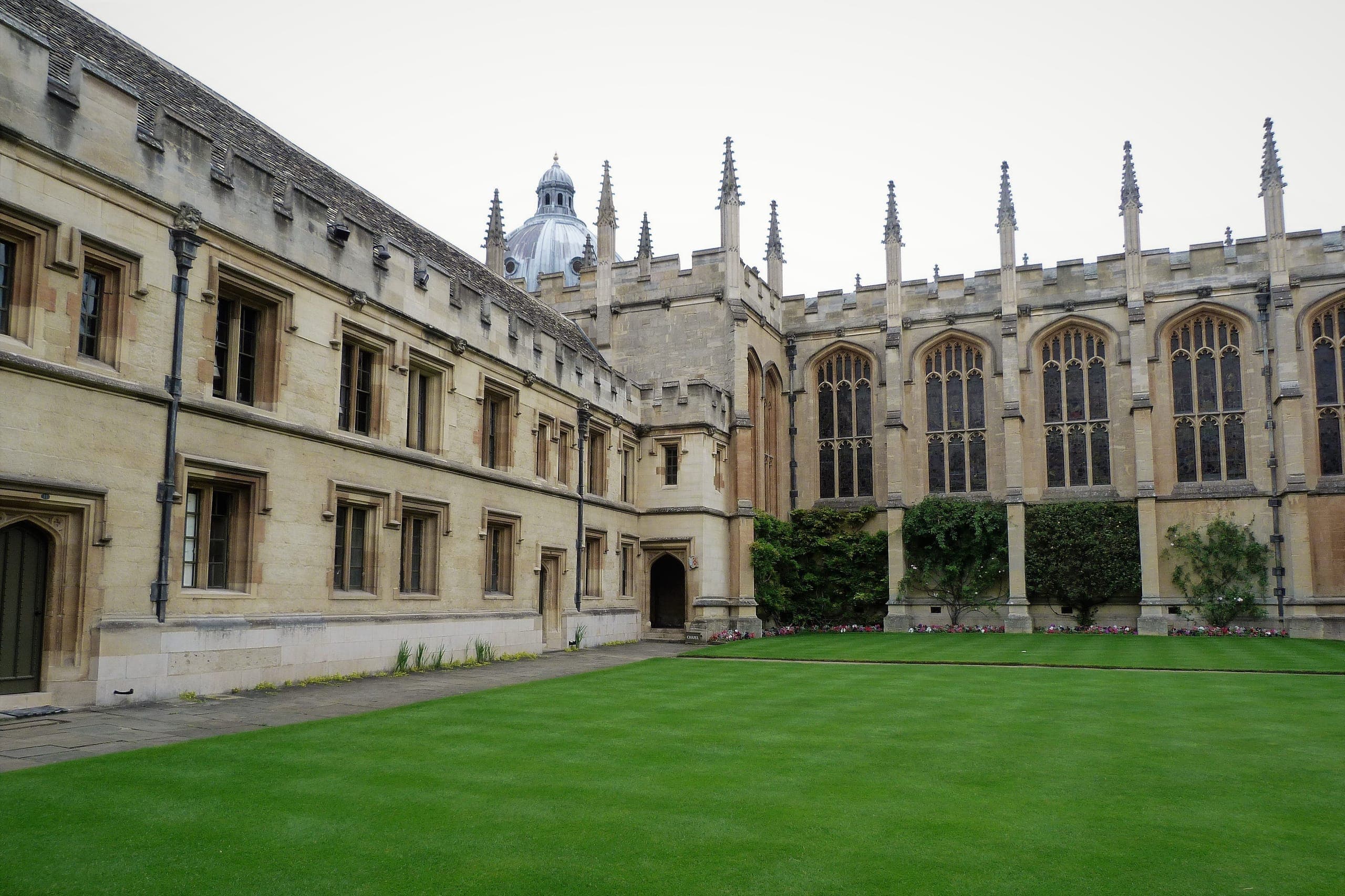
36 colleges offer this subject.
Oxford has 36 colleges and three societies at University level, and undergraduate course availability varies by course and language combination.
It is worth choosing a college for day-to-day environment: accommodation, location, facilities, tutors and community.
Section 13
The uploaded does not provide course-only career-sector percentages for History and Modern Languages, and it flags that any sector percentages would come from an Oxford Humanities-wide report rather than a course-only dataset.
This means the page should avoid claiming course-specific destination percentages until a course-level dataset is supplied. In advice terms, applicants should focus on the skills the course actually tests: written argument, language accuracy, cultural interpretation and evidence handling.
Section 14
Oxford states that grades are considered in the context in which they were achieved.
Contextual data may include school performance, area-level participation or disadvantage, care experience and eligibility for free school meals.
For this course, History is highly recommended but not always formally required, and applicants whose schools did not offer History or the chosen language should explain those constraints through the UCAS reference or extenuating-circumstances routes rather than overclaiming.
Oxford recognises that many international applicants will not have GCSEs, and GCSE-style evidence is considered alongside the rest of the application rather than treated as a universal requirement.
Written work can help contextualise school teaching, independent historical thinking and essay craft where curriculum coverage is uneven.
Watch & Learn
Student vlogs, mock interviews, lecture tasters, and admissions advice.
Official Oxford-style History interview demonstration for source discussion and tutor commentary.
Demonstration interview showing how tutors may explore text, language and thinking aloud.
Introductory course film with tutors and students on studying modern languages at Oxford.
Lecture-style outreach video linking historical interpretation, languages and cultural memory.
Student perspective on combining History and Modern Languages at Oxford.
All videos are the property of their respective creators.
Further Reading
Super-curricular reading, websites, and tools recommended by our expert tutors.