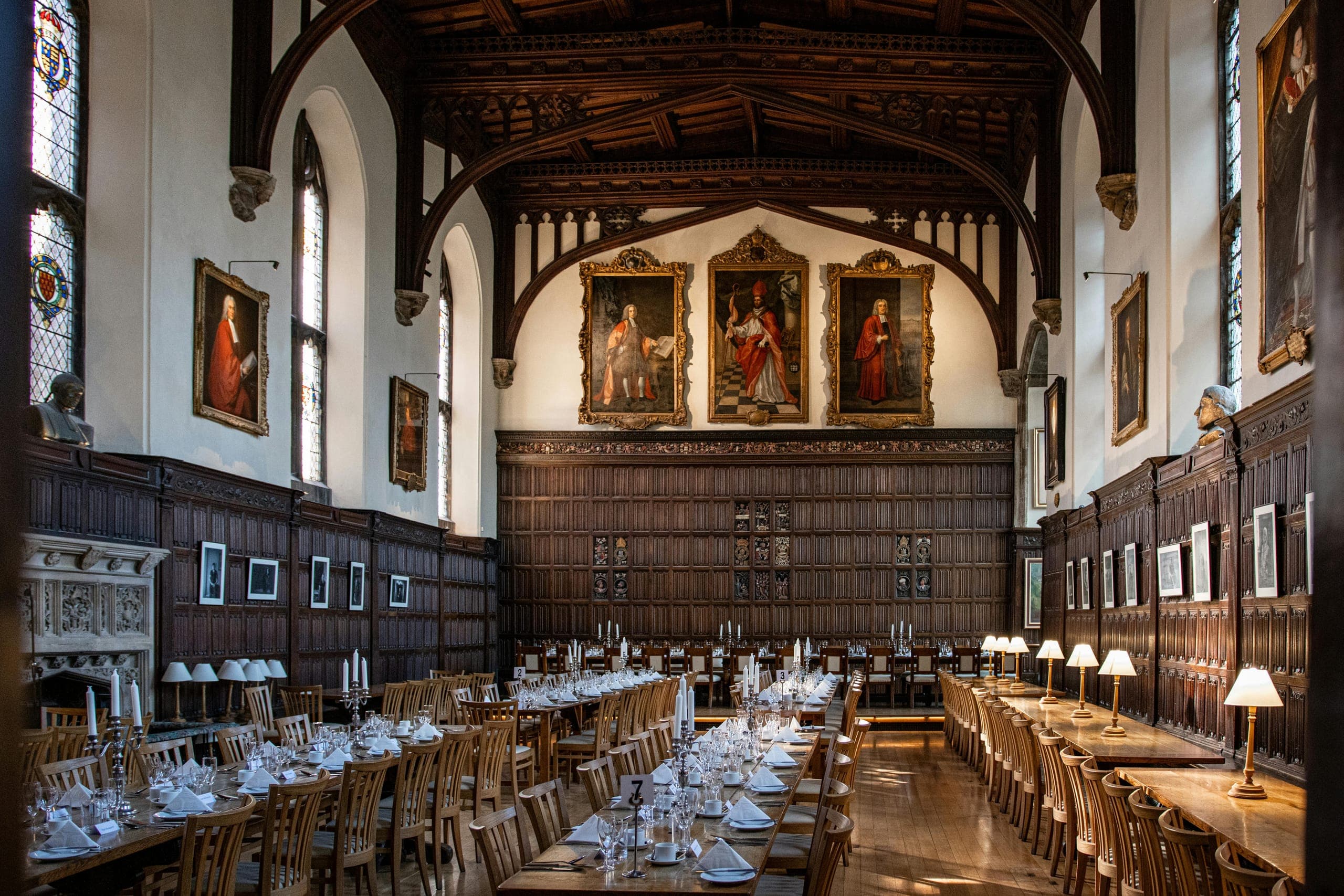
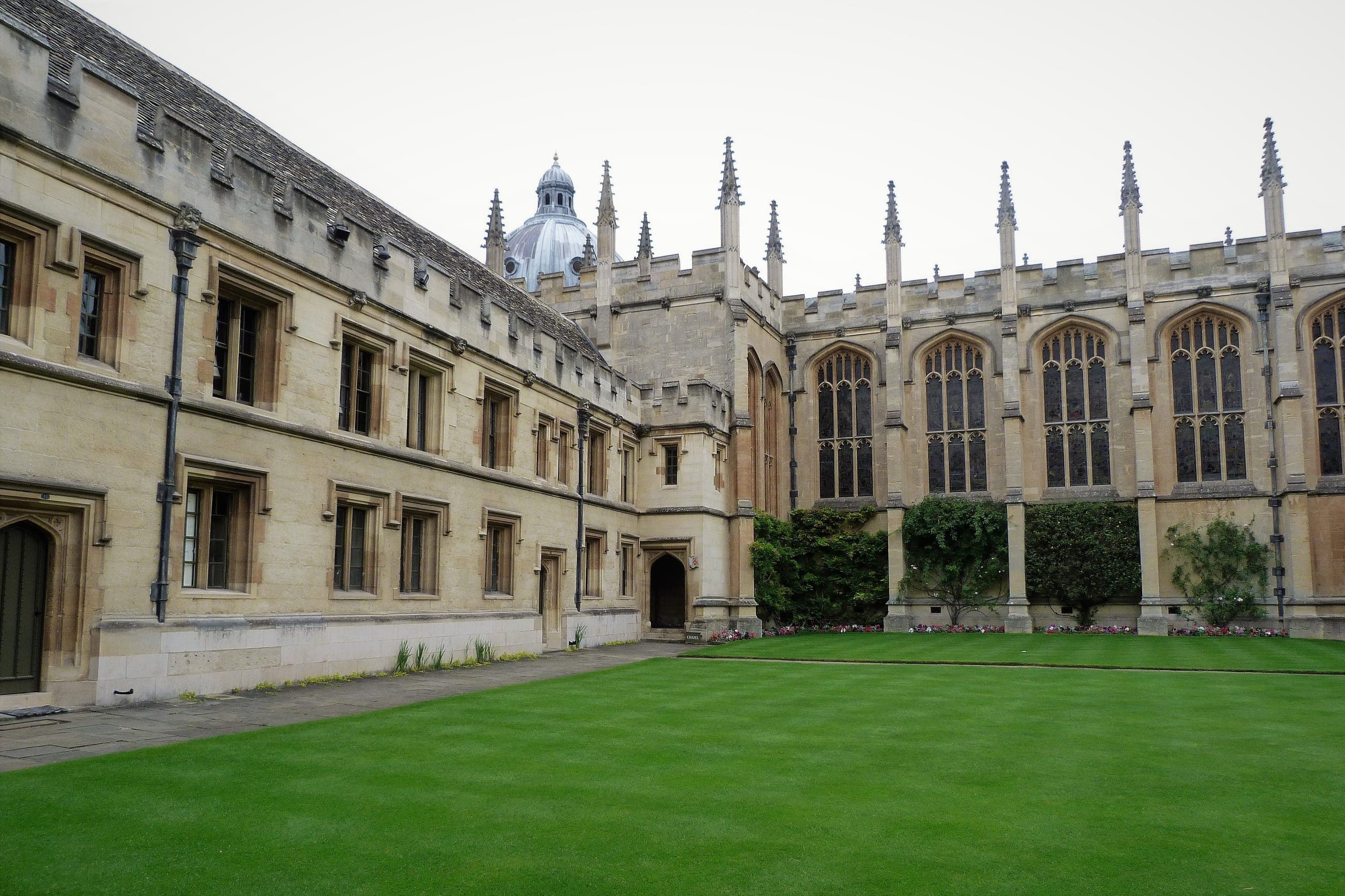
30 colleges offer this subject. 13.1% of applicants submit an open application. ~25% of places come through the pool.
Not every college offers every course, so Mathematics applicants should check course availability before choosing a college.
For Mathematics and related courses, applicants are initially associated with their chosen college or with an algorithmically allocated college if they make an open application. A second college is also assigned, and candidates may be reallocated from oversubscribed colleges before interview.
The 2024/25 feedback report records open applications as 13.1% for Mathematics and joint-school applicants. It also records that around 25% of Mathematics and joint-school offers were open offers or were made by a college other than the first college considering the applicant.
College choice affects community, accommodation, facilities and the first college handling the application, but it should not be treated as a tactical shortcut. We recommend choosing a college where you would be happy to live and learn.