

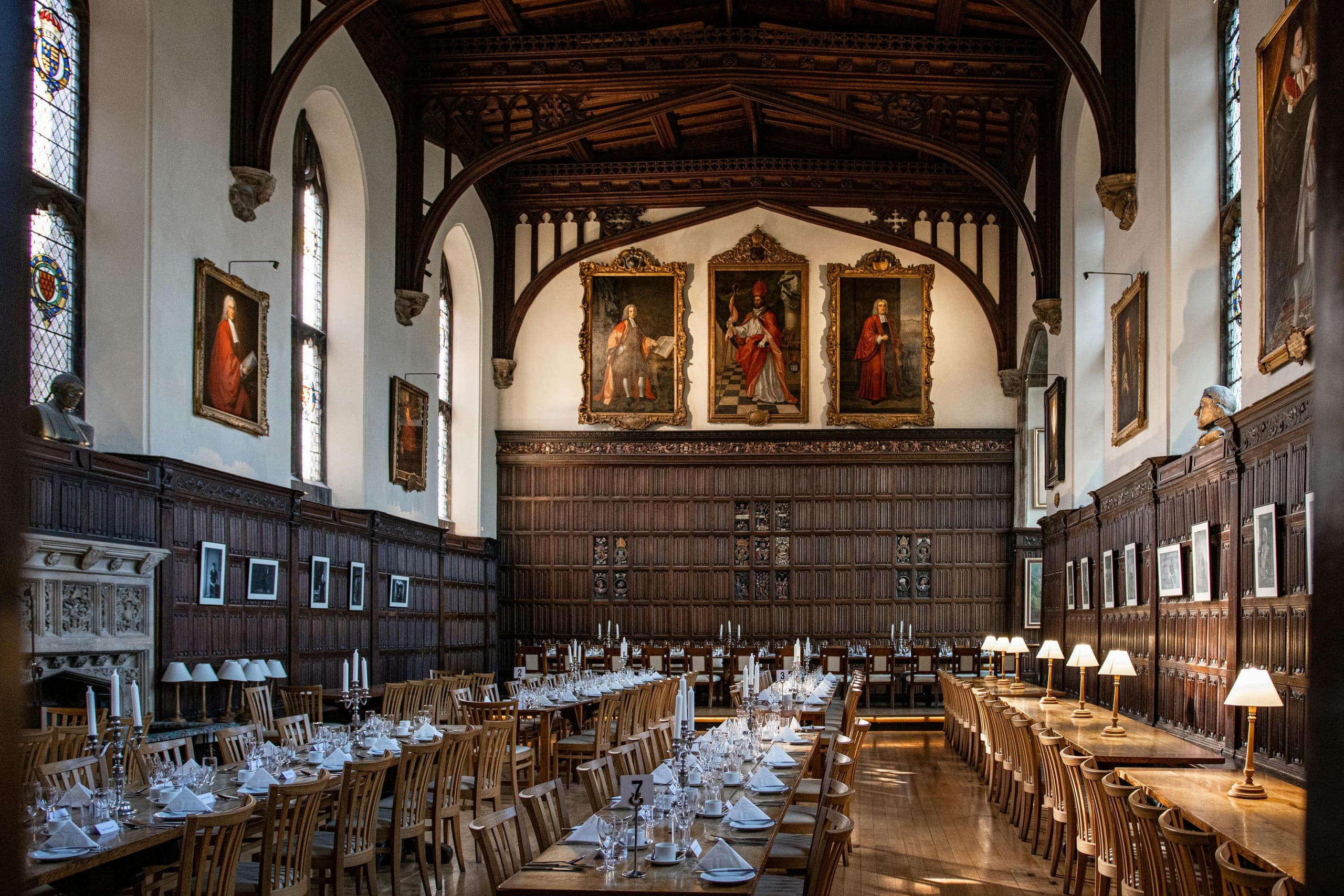
Year
01 / 03
1
Preliminary Examination
Foundations in religion and language
Students take Religion and Religions and devote the rest of the year to language-focused study in Arabic, Hebrew, Hindi, Pali, Sanskrit or Tibetan.

Complete Admissions Guide
Religion and Asian and Middle Eastern Studies at Oxford is among the most selective courses in the UK. Get 1-to-1 admissions coaching from Oxford or Cambridge graduates with subject-specific admissions expertise.
Last updated: September 2026
Key Facts
Overview
Religion and Asian and Middle Eastern Studies at Oxford is a 3-year BA, UCAS code VT69, with a typical A-level offer of AAA. For 2027 entry, the course has no admissions test, requires one English written-work piece, and combines religion with original-language study in Asian and Middle Eastern traditions.
Why study Religion and Asian and Middle Eastern Studies at Oxford?
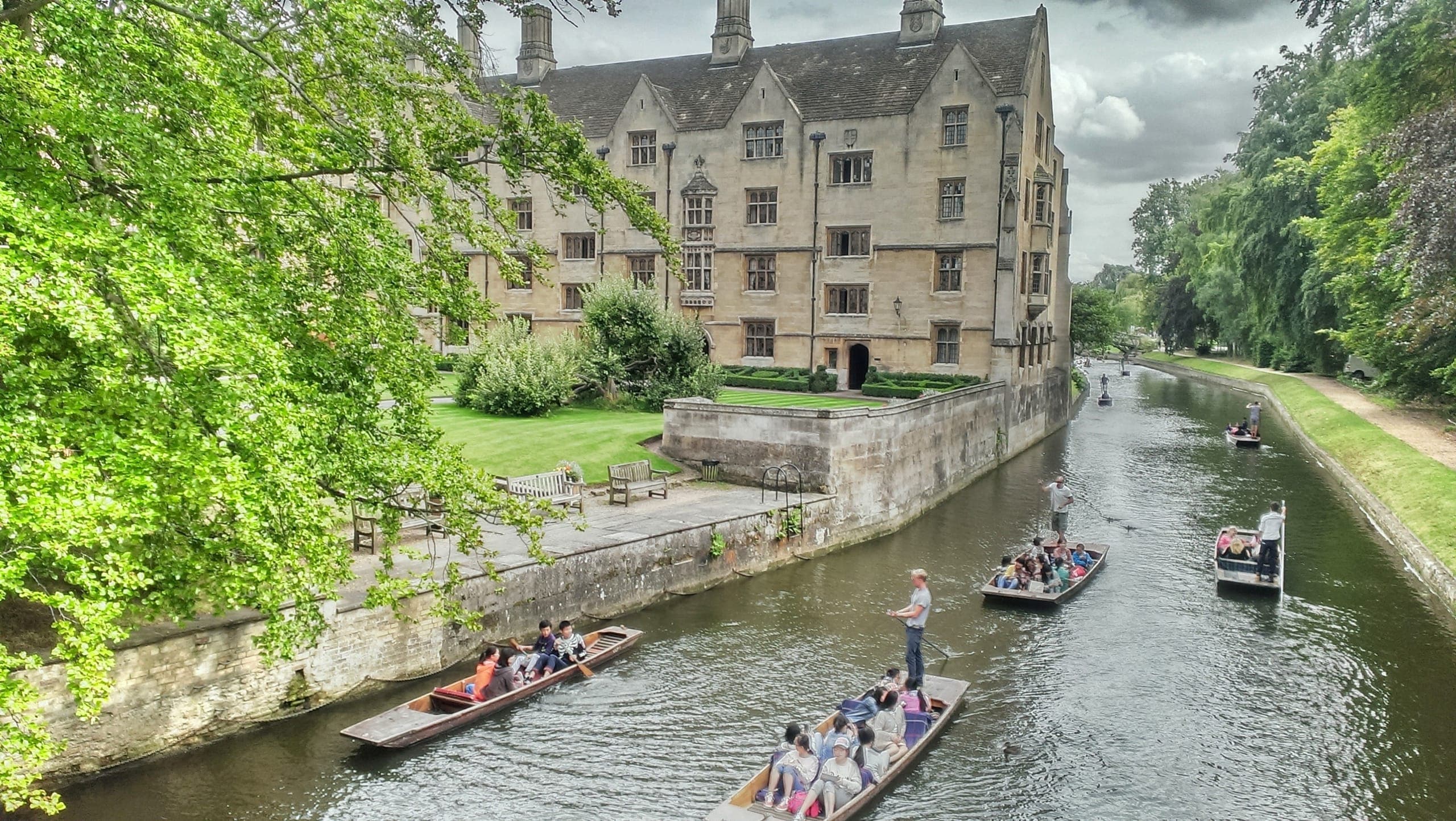
This is a joint Oxford BA, not a single-subject Theology course or a single-subject Asian and Middle Eastern Studies course. The course combines Religion with Asian and Middle Eastern Studies and uses original-language primary texts as a central part of the degree.
Section 01
Click your country on the map below for country-specific entry guidance - accepted qualifications, expected scores, English-language requirements, and any local context worth knowing before you apply.
International Applicants
Pick a highlighted country to see the admissions-test, score, and English-language requirements that apply for applicants from that country.
Section 02
| Qualification | Typical Offer | Key Requirements |
|---|---|---|
| A-Level | AAA | |
| IB Diploma | 38 (including core points) with 666 at HL | |
| Advanced Placement (AP) | For an AAA course: either four APs at grade 5, including any subjects required for the course, or three APs at grade 5 plus ACT 31+ or SAT 1460+. |
Section 03
MAY to AUG 2026
Build your academic fit
Confirm course fit, choose a college or open application route and draft an academically focused personal statement.
1 SEP 2026
UCAS submission opens
Completed undergraduate applications can be submitted to UCAS from 1 September 2026.
15 OCT 2026
Submit UCAS
The Oxford UCAS deadline is 6pm UK time on 15 October 2026.
10 NOV 2026
Submit written work
Submit one English written-work piece by the college deadline.
MID NOV to EARLY DEC
Watch for shortlisting
Shortlisting begins from the end of November.
EARLY to MID DEC 2026
Attend online interviews
Shortlisted applicants attend online academic interviews.
12 JAN 2027
Receive Oxford decision
2027-entry applicants are informed on 12 January 2027.
5 MAY to 2 JUN 2027
Reply to offers
UCAS reply deadlines depend on when all decisions arrive.
AUG 2027
Results and confirmation
Offer holders meet conditions through A-level, IB or equivalent results; exact 2027 JCQ results day not verified.
MAY to AUG 2026
Build your academic fit
Confirm course fit, choose a college or open application route and draft an academically focused personal statement.
1 SEP 2026
UCAS submission opens
Completed undergraduate applications can be submitted to UCAS from 1 September 2026.
15 OCT 2026
Submit UCAS
The Oxford UCAS deadline is 6pm UK time on 15 October 2026.
10 NOV 2026
Submit written work
Submit one English written-work piece by the college deadline.
MID NOV to EARLY DEC
Watch for shortlisting
Shortlisting begins from the end of November.
EARLY to MID DEC 2026
Attend online interviews
Shortlisted applicants attend online academic interviews.
12 JAN 2027
Receive Oxford decision
2027-entry applicants are informed on 12 January 2027.
5 MAY to 2 JUN 2027
Reply to offers
UCAS reply deadlines depend on when all decisions arrive.
AUG 2027
Results and confirmation
Offer holders meet conditions through A-level, IB or equivalent results; exact 2027 JCQ results day not verified.
Section 04

Religion and Asian and Middle Eastern Studies at University of Oxford does not require a written admissions test for 2027 entry. Applications are assessed on academic record, personal statement, submitted written work (where requested), and interview performance.
Always verify on the official Oxford admissions tests page.
Section 05
Interview Invitation
Late Nov
Arrival to Interview
Early Dec
Technical Question
Mid Dec
Decision
Early Jan
Interview Invitation
Late Nov
Arrival to Interview
Early Dec
Technical Question
Mid Dec
Decision
Early Jan
Question Types You’ll See
The interview is a tutorial-style academic conversation, not a performance test. Tutors may use unseen material, a sample-language or pattern-recognition task, text or image analysis, and discussion of written work or the personal statement.
What matters is how you think when the material changes. The recorded selection criteria include academic potential, motivation, linguistic aptitude, clear argument, engagement with unfamiliar material and close textual reading.
Practice short explanations out loud. A good answer does not need to be instant; it needs to show what you noticed, why you noticed it, and how you revise your view when a tutor adds a complication.
Practice real Oxford Religion and Asian and Middle Eastern Studies interview questions from our free question bank.
Religion and Asian and Middle Eastern Studies Interview Questions →
Section 06
Oxford’s verified record for this course does not use numerical admissions weights. The decision is holistic across the full application, written work and interviews.
The recorded criteria are interview performance, academic record and predicted or achieved qualifications, written work, and the UCAS form with personal statement and academic reference. There is no admissions-test criterion because no written admissions test is required.
Consistency matters. Your academic record, essay, personal statement and interview should all point to the same underlying strengths: close reading, language readiness, intellectual curiosity and careful argument.
Our recommendation · weighting of admission factors
Oxbridge Mentors recommendation, drawn from observed offer patterns. University of Oxford does not publish official weightings - exact balance varies by college, course and year.
Section 07

For this course, the personal statement should not read like a generic Theology statement. It should show why you want the combination of religion, language, culture and primary texts.
Choose two or three academic threads rather than listing everything you have read. A RAMES-specific structure could link one religious tradition or question to the language route that would let you study primary texts, then connect that to a historical, philosophical or cultural problem you have explored independently.
Do not overclaim prior language knowledge. Oxford does not expect prior study of the course languages, so it is better to show realistic commitment to learning one from the beginning.
Section 08
Oxford defines strong supercurricular preparation as three connected habits: explore material beyond class, engage critically with it, and reflect on what changed your thinking. For Religion and Asian and Middle Eastern Studies, that means combining religious studies, textual interpretation, history, philosophy and language work rather than listing unrelated activities.
Academic competitions, essay prizes, open days, online talks, UNIQ and faculty outreach can all support preparation, but none is required. Prioritise activities that leave you with something specific to discuss: a passage, object, lecture, language problem or argument that you can analyse in interview.

Section 09
Year
01 / 03
1
Foundations in religion and language
Students take Religion and Religions and devote the rest of the year to language-focused study in Arabic, Hebrew, Hindi, Pali, Sanskrit or Tibetan.

Year
02 / 03
2
Building Theology and AMES options
Students begin Final Honour School work, combining Theology and Religion with AMES papers.
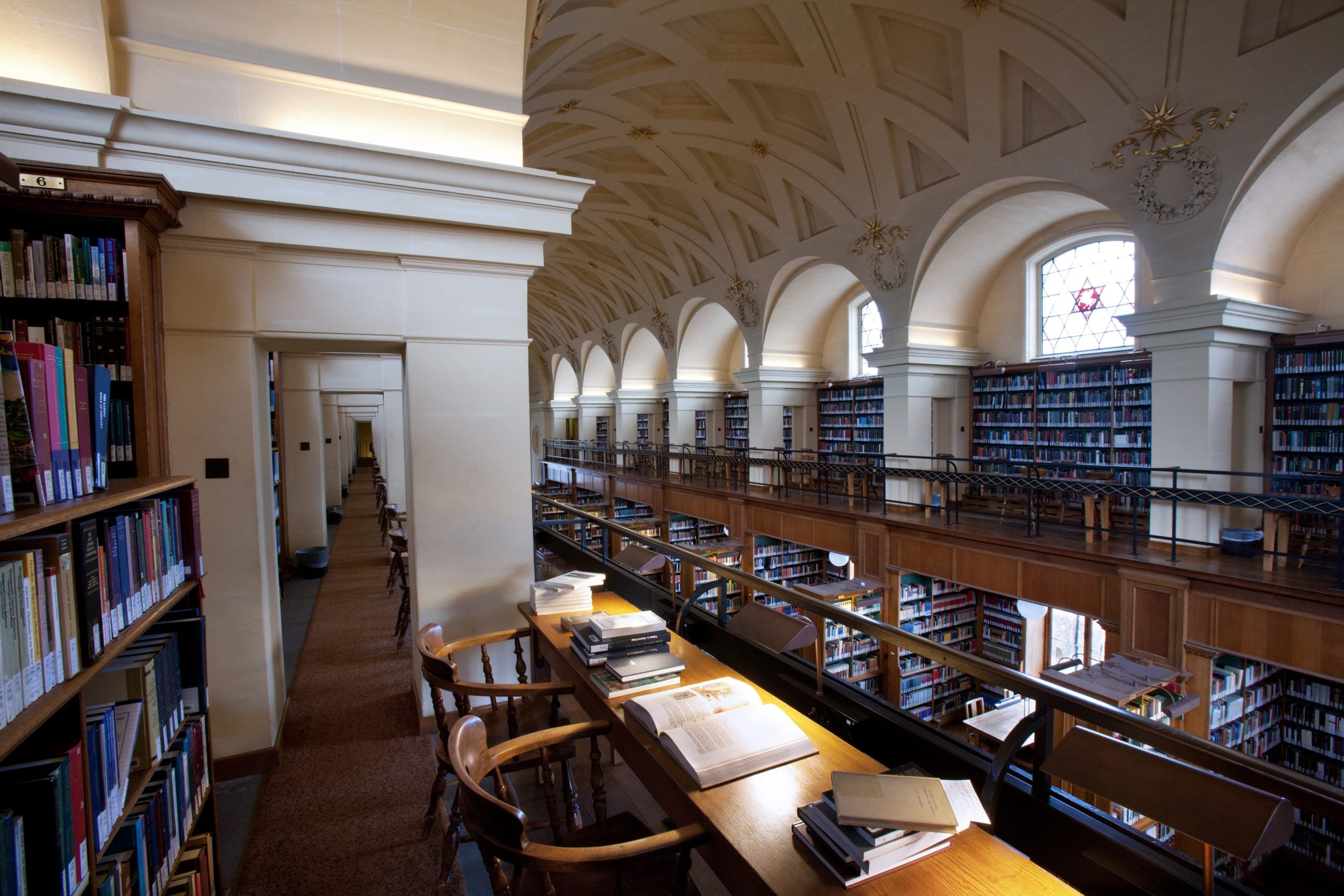
Year
03 / 03
3
Specialisation and independent research
Students complete the eight-paper Honour School pattern and produce a 12,000-word thesis/dissertation.
Section 10

Written work is required for this course according to the controlling course-page and written-work guidance. The requirement is one English piece, normally from a current or recent course of study, not exceeding 2,000 words.
The deadline recorded for 2027 entry is 10 November 2026. This requirement is verified with an official-source conflict: the Oxford summary table says “None”, while the course page and written-work page both say written work is required. Applicants should verify the current course page before submitting.
Choose a piece that shows argument rather than just information. A strong essay gives tutors material to discuss: structure, evidence, interpretation, counterargument and your own judgement.
Section 11
Start with the official Oxford course page, because it is the primary source for entry requirements, written work, interviews, course structure and statistics.
Use the Faculty of Theology and Religion undergraduate admissions FAQs to understand course structure, colleges, interview count, interview duration and admissions process details. Keep the Oxford admissions timeline open while planning, because the verified resource set uses it as the official 2027-entry dates source.
For subject preparation, turn the course structure into a reading-and-language plan. Pick one possible language route, one religious tradition or question, and one primary-text problem you want to understand better; that keeps your preparation specific to this joint degree rather than drifting into a generic humanities reading list.
The World's Religions By Huston Smith provides a sympathetic survey of Hinduism, Buddhism, Confucianism, Taoism, Islam, Judaism and Christianity that treats each tradition on its own terms, useful for understanding the range of this joint degree.
For video lectures, Faculty of Theology and Religion, University of Oxford And SOAS University of London Both publish academic talks directly relevant to this degree’s combination of religious studies and area studies.
For structured study, Introduction to the Hebrew Bible from Yale Open Courses provides a rigorous academic treatment of biblical texts, their composition and historical context. In Our Time Has authoritative episodes on Islam, Sufism, Judaism, Hinduism and Buddhism that build the comparative vocabulary Oxford interviews expect.

Section 12
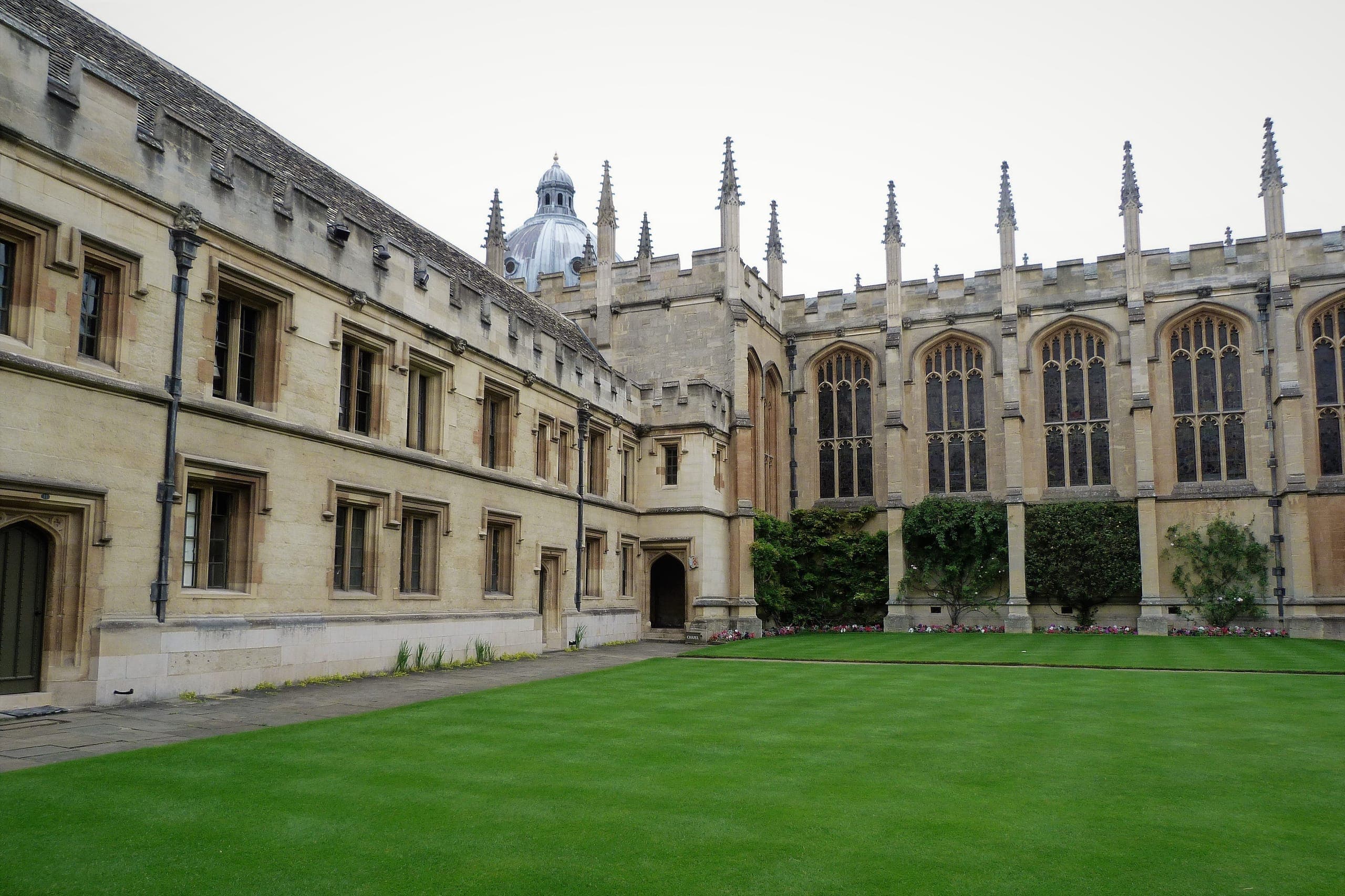
38 colleges offer this subject. 15.4% of applicants submit an open application.
Oxford applicants can choose a college or make an open application, and they may still be interviewed by or offered a place at another college. Oxford uses this process to reallocate candidates between colleges where needed.
Reallocation exists so that strong candidates are not disadvantaged by applying to a particularly oversubscribed college. For this course, the course-page wording suggests that around a third may be reallocated or receive an offer from a college other than the named college; treat this as a partial-confidence course-page indication rather than a guaranteed annual rate.
College choice affects community, accommodation and initial handling, but it should not be treated as a way to game the course. Choose a college you would be happy to live and work in, then prepare as if the academic assessment could happen across more than one college.
Section 13
The official course-page destinations list includes law, social work, media, journalism, publishing, banking, management consultancy, accountancy, personnel management, teaching, the police force and the arts.
This is a degree for students who can handle language learning, written argument and cultural interpretation. Those skills support flexible graduate routes across research, communication, analysis and people-focused work rather than one narrow vocational pathway.
Section 14
Oxford considers grades in context wherever possible. Contextual data helps tutors understand achievement against school, neighbourhood and personal circumstances.
For this course, the absence of required subjects and prior language study matters. Applicants should not be penalised because their school did not offer AMES languages, Theology or Religious Studies.
Use the reference or extenuating-circumstances routes for disruption or limited subject availability. Applicants without GCSEs can be assessed through the selection criteria and accepted equivalent qualifications.
Watch & Learn
Student vlogs, mock interviews, lecture tasters, and admissions advice.
All videos are the property of their respective creators.
Further Reading
Super-curricular reading, websites, and tools recommended by our expert tutors.