
Year
01 / 03
1
Year 1, Part IA
Five compulsory papers
Part IA includes five compulsory papers: Metaphysics; Ethics and Political Philosophy; Meaning; Formal Methods; Set Texts.
Complete Admissions Guide
Philosophy at Cambridge is among the most selective courses in the UK. Get 1-to-1 admissions coaching from Oxford or Cambridge graduates with subject-specific admissions expertise.
Last updated: September 2026
Key Facts
Overview
Cambridge offers Philosophy as a BA (Hons) 3-year full-time course, UCAS code V500, with a standard A-level offer of A*AA for 2027 entry. The course is a direct Philosophy degree built around Part IA, Part IB and Part II, with College-level assessment only at Jesus and Trinity.
Why study Philosophy at Cambridge?
Cambridge lists Philosophy as a BA (Hons), 3-year, full-time course, and the official course page identifies V500 as the UCAS course code. The structure is focused: Part IA gives every student five compulsory papers before Part IB and Part II open up more choice.
Section 01
Click your country on the map below for country-specific entry guidance - accepted qualifications, expected scores, English-language requirements, and any local context worth knowing before you apply.
International Applicants
Pick a highlighted country to see the admissions-test, score, and English-language requirements that apply for applicants from that country.
Section 02
| Qualification | Typical Offer | Key Requirements |
|---|---|---|
| A-Level | A*AA | Mathematics, English Literature, A modern or classical language recommended. |
| IB Diploma | 40–42 with 776 at HL | |
| Advanced Placement (AP) | Minimum five AP Tests at score 5 in subjects relevant to the course, plus strong SAT or ACT results and high High School Diploma performance. |
Section 03
Jun–Jul 2026
Open days & shortlist colleges
Visit Cambridge in person if you can. Open days run in late June and early July. Begin narrowing your college list and reading first-year reading lists.
Sep 2026
Draft your personal statement
Write for the subject, not the institution. Cambridge admissions tutors look for ~80% academic content and genuine super-curricular engagement.
15 Oct 2026
UCAS deadline
Submit your UCAS application by 18:00 UK time on 15 October 2026.
22 Oct 2026
My Cambridge Application deadline
Complete the My Cambridge Application supplementary questionnaire by 18:00 UK time on 22 October 2026. This replaced the old SAQ.
10 Nov 2026
Submitted written work deadline
Most arts and humanities courses ask for one or two pieces of marked school work. Each college confirms its exact deadline; 10 November is the standard date.
Dec 2026
Interviews
Around three-quarters of applicants are interviewed. Typically 1–2 interviews of 25–45 minutes each at your chosen or allocated college.
27 Jan 2027
Main decisions released
Cambridge releases its main decisions on 27 January 2027. Around a quarter of offers are made through the Winter Pool, strong applicants reconsidered by colleges with remaining places.
Jun–Jul 2026
Open days & shortlist colleges
Visit Cambridge in person if you can. Open days run in late June and early July. Begin narrowing your college list and reading first-year reading lists.
Sep 2026
Draft your personal statement
Write for the subject, not the institution. Cambridge admissions tutors look for ~80% academic content and genuine super-curricular engagement.
15 Oct 2026
UCAS deadline
Submit your UCAS application by 18:00 UK time on 15 October 2026.
22 Oct 2026
My Cambridge Application deadline
Complete the My Cambridge Application supplementary questionnaire by 18:00 UK time on 22 October 2026. This replaced the old SAQ.
10 Nov 2026
Submitted written work deadline
Most arts and humanities courses ask for one or two pieces of marked school work. Each college confirms its exact deadline; 10 November is the standard date.
Dec 2026
Interviews
Around three-quarters of applicants are interviewed. Typically 1–2 interviews of 25–45 minutes each at your chosen or allocated college.
27 Jan 2027
Main decisions released
Cambridge releases its main decisions on 27 January 2027. Around a quarter of offers are made through the Winter Pool, strong applicants reconsidered by colleges with remaining places.
Section 04

Philosophy at University of Cambridge does not require a written admissions test for 2027 entry. Applications are assessed on academic record, personal statement, submitted written work (where requested), and interview performance.
Always verify on the official Oxford admissions tests page.
Section 05
Interview Invitation
Late Nov
Arrival to Interview
Early Dec
Technical Question
Mid Dec
Decision
Early Jan
Interview Invitation
Late Nov
Arrival to Interview
Early Dec
Technical Question
Mid Dec
Decision
Early Jan
Question Types You’ll See
Cambridge describes interviews as academic discussions, and the verified format for Philosophy should be treated through that central guidance unless a College gives more specific instructions. Most applicants have 1 or 2 interviews, with total interview time usually between 35 minutes and 1 hour.
The interview is designed to assess subject understanding, readiness for high-level study, critical and independent thinking, curiosity, openness to new ideas and enthusiasm. In practice, that means your preparation should focus less on rehearsing answers and more on handling unfamiliar arguments calmly.
As editorial preparation advice, a strong Philosophy interview answer usually makes a distinction before it makes a conclusion. We recommend practicing with short passages, definitions and counterexamples, because the supervision model rewards students who can refine a position under questioning.
Practice real Cambridge Philosophy interview questions from our free question bank.
Philosophy Interview Questions →
Section 06
Cambridge considers academic record, reference, personal statement, any submitted work, assessment performance, contextual or extenuating circumstances and interview performance where applicable. No published numeric weightings exist for these factors; treat any weighting you see elsewhere as editorial rather than Cambridge-published.
The most important practical point is that no single element should be treated as a magic key. Strong grades matter, but Cambridge also wants evidence that you can think independently in a subject where the quality of reasoning matters more than the number of views you have memorised.
For Philosophy, College-level variation also matters: Jesus and Trinity may ask for a College admission assessment, while Downing and St John’s ask applicants to submit 2 pieces of written work. We recommend preparing your application as a whole, not trying to optimise one isolated component.
Our recommendation · weighting of admission factors
Oxbridge Mentors recommendation, drawn from observed offer patterns. University of Cambridge does not publish official weightings - exact balance varies by college, course and year.
Section 07

A Cambridge Philosophy personal statement should show what you have done with the ideas you encountered. It is usually weaker to list books without explaining the problem, objection or distinction that changed your thinking.
Use the statement to demonstrate habits that match the course: careful definition, tolerance of ambiguity, and willingness to revise a view. A paragraph on free will, moral responsibility or political obligation can work well only if it moves beyond “I find this fascinating”.
We recommend choosing two or three ideas and treating them precisely. For each one, show the starting question, the argument you considered, the objection you noticed, and what you now think is difficult about the issue.
See a full annotated example with line-by-line expert commentary.
Philosophy PS Example →Section 08
A good Philosophy project does not need equipment or a large team. It needs a question that can be stated clearly, a small body of reading, and a record of how your view changed.
We recommend projects that produce an argument rather than a poster. Examples could include comparing two accounts of knowledge, testing a moral principle against hard cases, or analysing whether a formal argument is valid.
These are editorial project suggestions, not official Cambridge requirements. Check College correspondence carefully for any required assessment or submitted-work instructions.

Section 08
Other supercurricular work should help you practice the same skills Cambridge tests through the course and interview: clarity, critical thinking and openness to new ideas. It can include reading, essays, discussion groups, lectures, podcasts or online courses, provided you can explain what each activity taught you.
Useful activities include:
These activities support the application; they are not substitutes for academic strength.
Keeping a reading log where each entry ends with an objection.:
Writing short essays that defend one conclusion in fewer than 800 words.:
Discussing one philosophical problem with people who disagree with you.:
Translating a complex argument into numbered premises and a conclusion.:
Comparing how two philosophers use the same term differently.:
Section 08
Competitions are not required for Cambridge Philosophy. What they can do well is stretch your argument under time pressure and give you a reason to write for an audience beyond your classroom.
None are required; one or two done well beats five half-attempted. Treat competitions as optional evidence of sustained thinking, not as a requirement or shortcut.
Coaching for these competitions
Section 09
Year
01 / 03
1
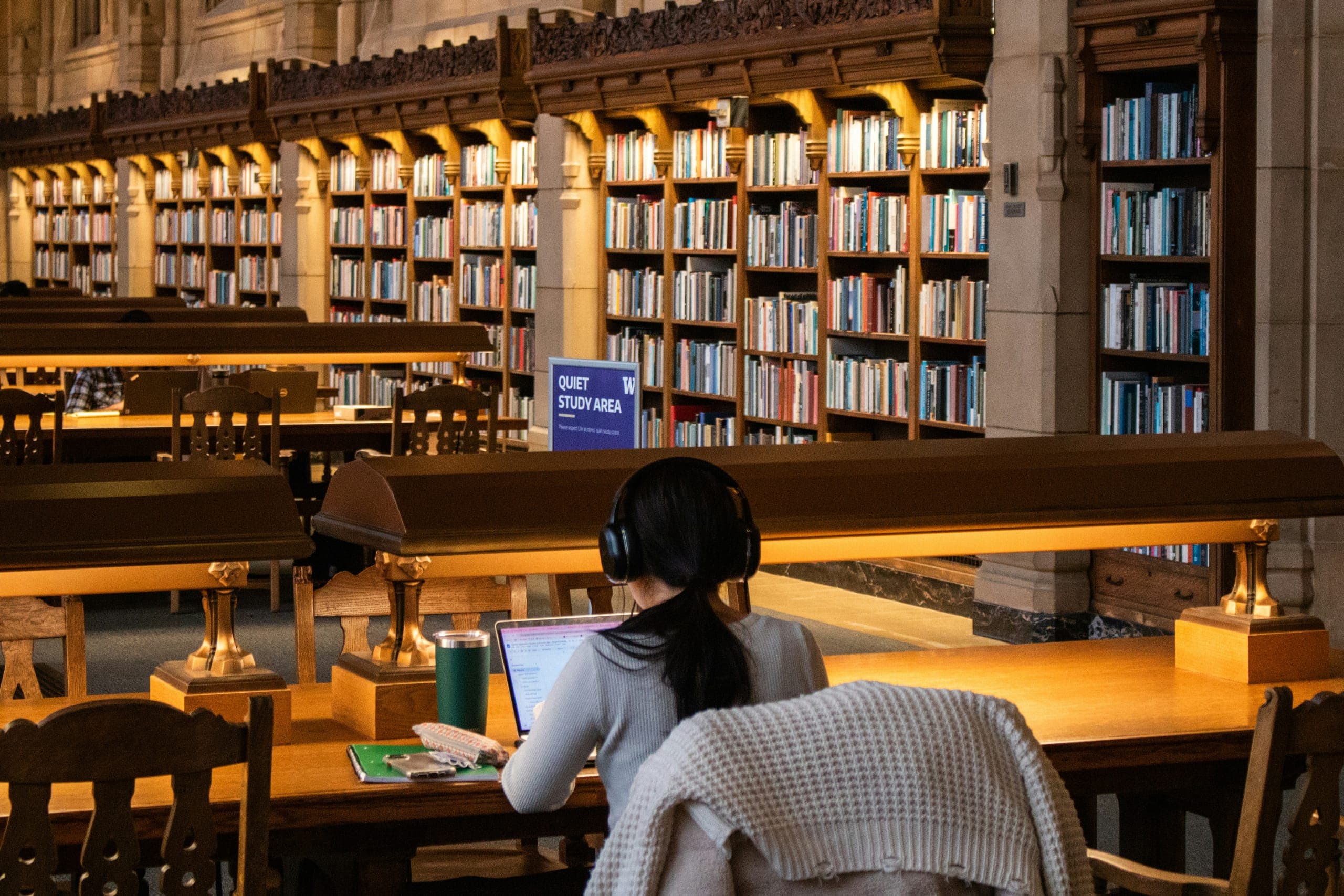
Five compulsory papers
Part IA includes five compulsory papers: Metaphysics; Ethics and Political Philosophy; Meaning; Formal Methods; Set Texts.
Year
02 / 03
2
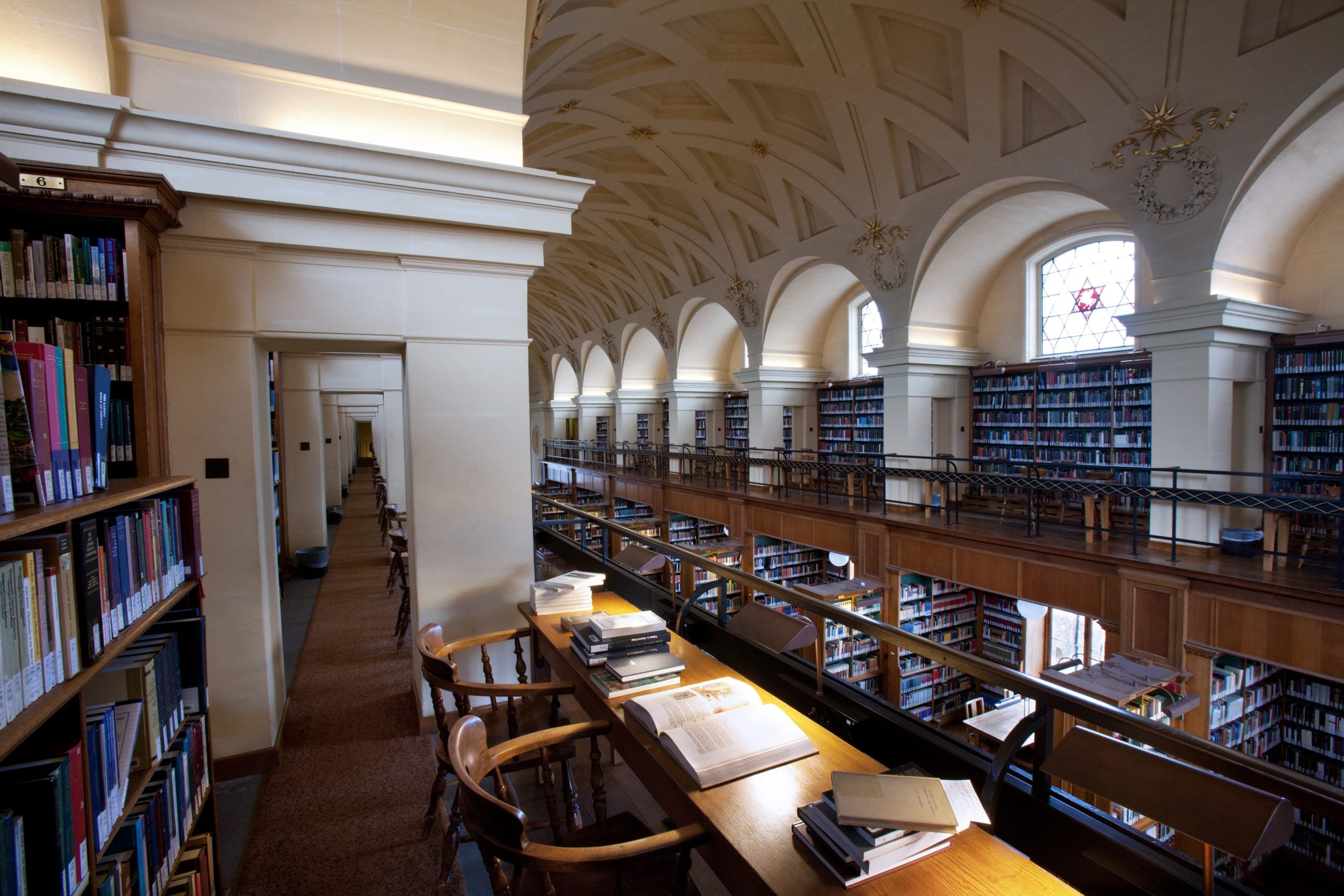
Core papers plus options
Part IB includes Knowledge, Language and the World; General Paper; plus three optional papers.
Year
03 / 03
3
No compulsory papers
Part II has no compulsory papers; students choose four papers from an extensive range, with possible paper from another course such as Classics.
Section 10
The safest way to build subject knowledge is to start with the course’s own first-year papers: Metaphysics, Ethics and Political Philosophy, Meaning, Formal Methods, and Set Texts. Use those headings as reading prompts rather than trying to cover the whole subject at once.
In Year 2, Cambridge verifies papers in Knowledge, Language and the World, a General Paper, and three optional papers. That gives you a useful preparation model: build one strand in epistemology or language, one strand in ethics or political philosophy, and one strand in logic or formal reasoning.
A good preparation plan is shorter than it looks: choose one question, read around it carefully, write down the strongest objection, and revise your view. The aim is not to sound encyclopaedic; it is to become more precise and more responsive to argument.
Think: A Compelling Introduction to Philosophy By Simon Blackburn is the clearest single-volume introduction to the core problems of epistemology, mind, free will, personal identity and ethics. Follow it with The Problems of Philosophy By Bertrand Russell, which demonstrates how to set up a philosophical problem with rigour and brevity.
For audio, Philosophy Bites Delivers short interviews with leading philosophers on specific problems, which is a good model for the precise conversational style that Cambridge interviews value. Hi-Phi Nation Connects philosophy to real-world cases, useful for ethics and political philosophy preparation.
For structured study, Introduction to Philosophy from the University of Edinburgh covers knowledge, reality and existence in a rigorous, accessible format. In Our Time: Philosophy has authoritative episodes on Kant, Hume, the problem of evil, free will and many Cambridge paper topics.

Section 11
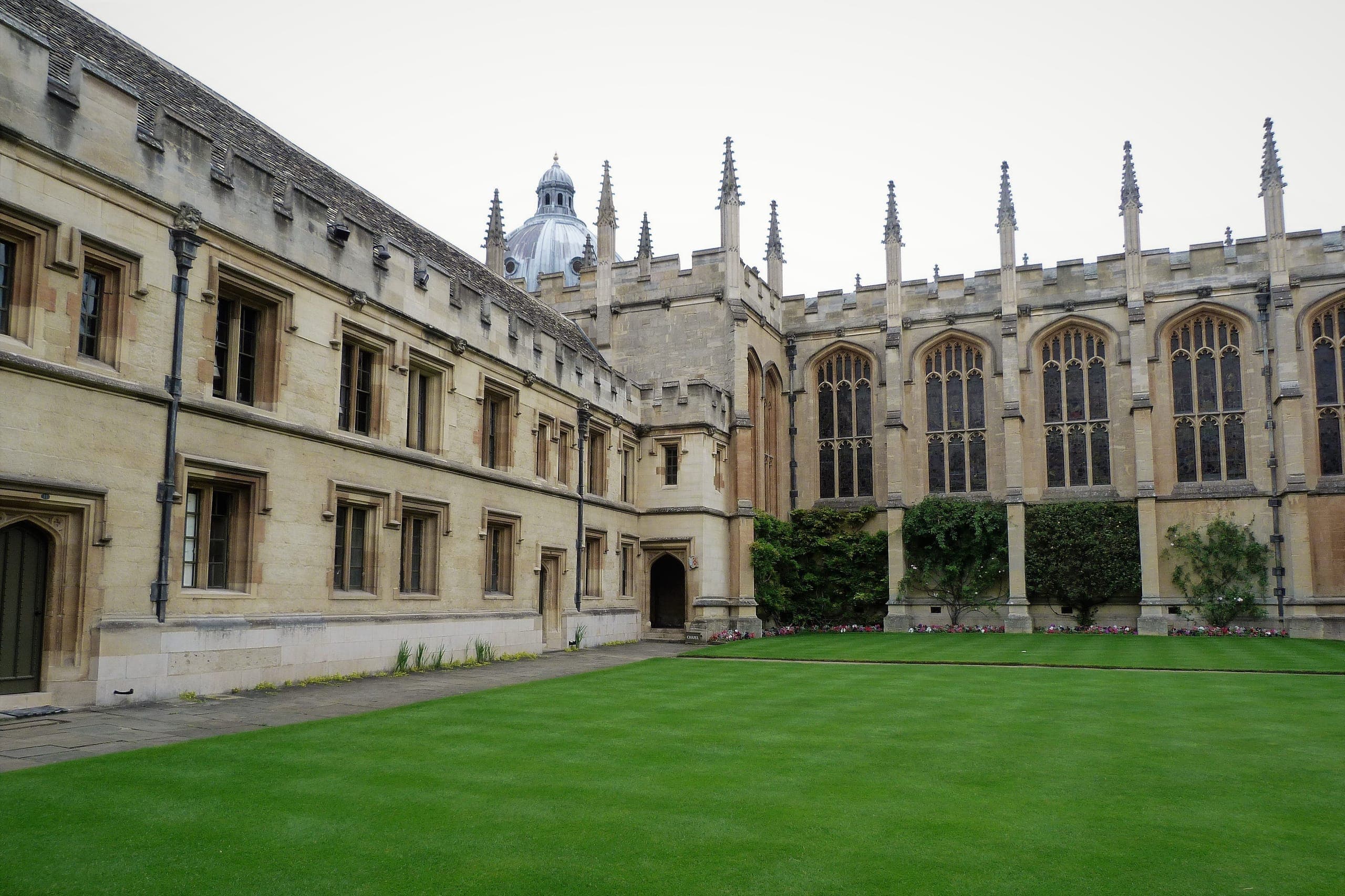
29 colleges offer this subject.
Cambridge Philosophy is available at all Colleges except Murray Edwards and Queens'. The verified data records 29 total Colleges and identifies Cambridge as a collegiate university.
College choice can affect interviews, accommodation, supervision and College-specific assessment or written-work requirements. For Philosophy, this is especially relevant because Jesus and Trinity are listed for College admission assessments, while Downing and St John’s are listed for 2 pieces of written work.
The Winter Pool reduces the tactical importance of College choice by allowing strong applicants to be considered by another College. According to 2024 admissions statistics, around 19% of October 2024 applications were placed in the Winter Pool.
We recommend choosing a College you would be happy to live and work in, then checking whether its Philosophy assessment or written-work expectations differ from the general pattern.
Section 12
Cambridge Careers Service data records Philosophy destinations including further study, City careers such as banking, accountancy and consultancy, teaching and education, public service and other employment or not separately specified. The course page also lists business, computing, journalism, administration, law, publishing, teaching, banking and investment, arts and recreation, IT and public services as possible destinations.
The point is not that Philosophy trains you for one narrow route. Cambridge’s supervision-style academic culture and the course’s emphasis on formal methods, meaning, ethics, metaphysics and later optional papers train habits of argument, interpretation and judgement that can travel into several sectors, provided you add relevant experience outside the degree.
Section 13
Cambridge assesses applications individually, using academic record, reference, personal statement, any submitted work, assessment performance, contextual or extenuating circumstances and interview performance where applicable. Cambridge also says it is most interested in academic ability as shown in recent and relevant performance.
For Philosophy, no required subject is listed. That matters for applicants whose school does not offer Philosophy A level: you can still build a credible application through rigorous reading, writing and discussion.
We recommend explaining disruption clearly rather than dramatically. The goal is to help Cambridge interpret your record in context, not to replace evidence of academic readiness.
Watch & Learn
Student vlogs, mock interviews, lecture tasters, and admissions advice.
All videos are the property of their respective creators.
Further Reading
Super-curricular reading, websites, and tools recommended by our expert tutors.