

Year
01 / 04
1
Year 1
Year 1: Design Engineering foundations

Complete Admissions Guide
Design Engineering at Imperial is among the most selective courses in the UK. Get 1-to-1 admissions coaching from Oxford or Cambridge graduates with subject-specific admissions expertise.
Last updated: September 2026
Key Facts
Overview
Design Engineering at Imperial College London (UCAS code H171) is a four-year MEng programme run by the Dyson School of Design Engineering. The course combines mechanical and electronic engineering, computational methods and human-centred design, with substantial studio and project work and a final-year team or individual project. Imperial requires the ESAT (Mathematics 1, Mathematics 2, Design Engineering uses two ESAT modules rather than three); shortlisted applicants are invited to a discussion-style interview.
Why study Design Engineering at Imperial?
No national league table publishes a dedicated Design Engineering ranking, so the comparison here uses the General Engineering tables as the closest available proxy. On that basis Imperial is #4 in The Times Good University Guide, and #5 in both the Guardian and the Complete University Guide. Read those positions as a signal about the department rather than a verdict on this specific course.
Section 01
Click your country on the map below for country-specific entry guidance - accepted qualifications, expected scores, English-language requirements, and any local context worth knowing before you apply.
International Applicants
Pick a highlighted country to see the admissions-test, score, and English-language requirements that apply for applicants from that country.
Section 02
| Qualification | Typical Offer | Key Requirements |
|---|---|---|
| A-Level | A*AA | A* in Mathematics required. General Studies, Critical Thinking not accepted.A in two further subjects. Both scientific and non-scientific A-levels are welcomed. If made an offer, applicants must pass the practical endorsement in all science subjects that form part of the offer. |
| IB Diploma | 39 points overall | HL: 7 in Mathematics at Higher Level, 6 in another subject at Higher Level required.Mathematics: Analysis and Approaches or Applications and Interpretation are accepted at Higher Level with no preference. |
| Advanced Placement (AP) | 5, 5, 5 overall | 5 in Calculus BC, 5 in two other subjects required. SAT/ACT: ACT/SAT scores are not accepted for undergraduate entry.AP route verified from Imperial's 2027 course-page snippet: 5,5,5 overall including 5 in Calculus BC and 5 in two other subjects. Do not state that AP details are unavailable. |
Section 03
June 2026
UAT-UK account creation opens
Account creation, access-arrangements requests and bursary applications open on 1 June 2026 at 15:00 BST.
July-December 2026
Book the ESAT sitting
October sitting: booking opens 20 July and closes 28 September 2026. January sitting: booking opens 26 October and closes 21 December 2026.
October 2026
October ESAT test window
12-16 October 2026.
November 2026-February 2027
Interview window and ESAT results
Online interviews are typically November to February if shortlisted. October ESAT results are released on 16 November 2026; January ESAT results on 8 February 2027.
January 2027
UCAS deadline and January ESAT sitting
January ESAT test window is 4-8 January 2027. UCAS equal-consideration deadline is 13 January 2027 at 18:00 UK time.
March-June 2027
Provider decisions and applicant replies
Providers should aim to send decisions by 31 March 2027 for applications received by 13 January; reject-by-default date is 12 May 2027. Reply deadlines are 5 May or 2 June depending on when all decisions are received.
July-October 2027
Clearing and final UCAS deadlines
Clearing opens 2 July 2027; final application deadline is 23 September 2027 at 18:00 UK time; last date to add a Clearing choice is 18 October 2027.
June 2026
UAT-UK account creation opens
Account creation, access-arrangements requests and bursary applications open on 1 June 2026 at 15:00 BST.
July-December 2026
Book the ESAT sitting
October sitting: booking opens 20 July and closes 28 September 2026. January sitting: booking opens 26 October and closes 21 December 2026.
October 2026
October ESAT test window
12-16 October 2026.
November 2026-February 2027
Interview window and ESAT results
Online interviews are typically November to February if shortlisted. October ESAT results are released on 16 November 2026; January ESAT results on 8 February 2027.
January 2027
UCAS deadline and January ESAT sitting
January ESAT test window is 4-8 January 2027. UCAS equal-consideration deadline is 13 January 2027 at 18:00 UK time.
March-June 2027
Provider decisions and applicant replies
Providers should aim to send decisions by 31 March 2027 for applications received by 13 January; reject-by-default date is 12 May 2027. Reply deadlines are 5 May or 2 June depending on when all decisions are received.
July-October 2027
Clearing and final UCAS deadlines
Clearing opens 2 July 2027; final application deadline is 23 September 2027 at 18:00 UK time; last date to add a Clearing choice is 18 October 2027.
Section 04

For 2027 entry, Design Engineering applicants must take the Engineering and Science Admissions Test, usually shortened to ESAT. The required ESAT modules are Mathematics 1 and Mathematics 2.
The ESAT is run by University Admissions Tests UK and delivered by Pearson through the Pearson VUE test-centre network. UAT-UK lists two test windows for this cycle: 12-16 October 2026 and 4-8 January 2027.
Account creation, access-arrangements requests and bursary applications open on 1 June 2026 at 3pm BST. October booking opens on 20 July 2026 at 3pm BST and closes on 28 September 2026 at 6pm BST. January booking opens on 26 October 2026 at 3pm GMT and closes on 21 December 2026 at 6pm GMT.
October results are released on 16 November 2026, and January results are released on 8 February 2027. UAT-UK states that there is no ESAT pass/fail score, so applicants should not treat any unofficial score as a guaranteed threshold.
For international applicants, the test gives Imperial another common measure across qualifications and school systems. It is a major comparative tool because all applicants must sit ESAT, but it is used alongside other application information rather than as a published cutoff. A strong approach is to planning test-centre booking early, especially where local delivery dates or capacity may be tighter.
Full ESAT preparation and tutoring | format, scoring, strategy, and free practice resources.
ESAT Preparation & Tutoring →Section 05
Interview Invitation
Late Nov
Arrival to Interview
Early Dec
Technical Question
Mid Dec
Decision
Early Jan
Interview Invitation
Late Nov
Arrival to Interview
Early Dec
Technical Question
Mid Dec
Decision
Early Jan
Question Types You’ll See
The course record describes an online interview for applicants whose application demonstrates sufficient potential. The interview includes questions or problems assessing interest and aptitude, plus up to two minutes for applicants to discuss their own work or projects.
The typical interview window is November to February for shortlisted applicants. The number of interviews, duration and panel size are not currently published, so those details should not be published as fixed figures.
A strong approach is to prepare for the interview by practicing concise explanation, not rehearsed performance. A strong project discussion usually makes clear what problem you chose, what constraints you faced, what failed, what changed and what you learned.
Practice real Imperial Design Engineering interview questions from our free question bank.
Design Engineering Interview Questions →
Section 06
Imperial's decision criteria for this page should include academic record and predicted or achieved grades, ESAT performance, interview performance, the UCAS application, personal statement and reference, and design or project evidence. No official percentage weighting is published for those criteria.
That means the safe description is holistic selection, not a points formula. The academic baseline matters because the course requires A*AA at A-level, 39 points overall in the IB, and AP 5, 5, 5 overall.
The ESAT and interview add course-specific evidence: ESAT tests Mathematics 1 and Mathematics 2, while the interview tests interest, aptitude and the ability to discuss own work or projects. In practice, preparation should make all three parts consistent: mathematical fluency, design judgement and clear reflection.
Our recommendation · weighting of admission factors
Oxbridge Mentors recommendation, drawn from observed offer patterns. Imperial College London does not publish official weightings - exact balance varies by college, course and year.
Section 07

For Design Engineering, the personal statement should not read like a generic Engineering statement. It helps to show how you move between a mathematical idea, a physical or digital prototype, and a user or market constraint.
Use one or two examples in depth rather than a long list of activities. Because ESAT and the interview already test mathematical aptitude, the statement can focus on design process: the problem you noticed, the model or method you used, the trade-off you faced, and how your design changed after testing.
Avoid claiming certainty about a single career path too early. The course combines design, engineering, product development and a placement, so a good statement can show curiosity across those areas without pretending to have solved your whole future.
Section 08
Projects matter because the interview includes a concise own-work or project discussion. Treat any project as evidence of process: the value is not just what you built, but how you framed the problem, tested the result and changed your approach.
Useful project directions for this course include an assistive product prototype, a sustainable product teardown and redesign, and a data-informed physical interface. One well-documented project is usually more useful than several unfinished prototypes.

Section 08
Other preparation should connect directly to Imperial Design Engineering's mix of mathematics, human factors, design process, computer-aided engineering, electronics, mechatronics and data science. Good evidence can come from school projects, independent design notebooks, small prototypes and reflective reading.
These activities support the application; they do not replace the academic, ESAT or interview requirements.
Keep a design log that records sketches, assumptions, tests, failures and revisions, so you can explain iteration rather than just the final object.:
Redesign an everyday object for a specific user group, then justify the engineering and human-factor trade-offs.:
Analyse a product failure from both engineering and user perspectives, including what measurement or user evidence would change your redesign.:
Compare two materials, mechanisms or interfaces for the same task, and explain the constraint that would make one better than the other.:
Explain a technical idea to a non-specialist, then note what you simplified and what you would prototype or calculate next.:
Section 08
Competitions are optional preparation rather than official admissions requirements. The recorded competition examples are:
None are required; one or two done well beats five half-attempted.
Section 09
Year
01 / 04
1
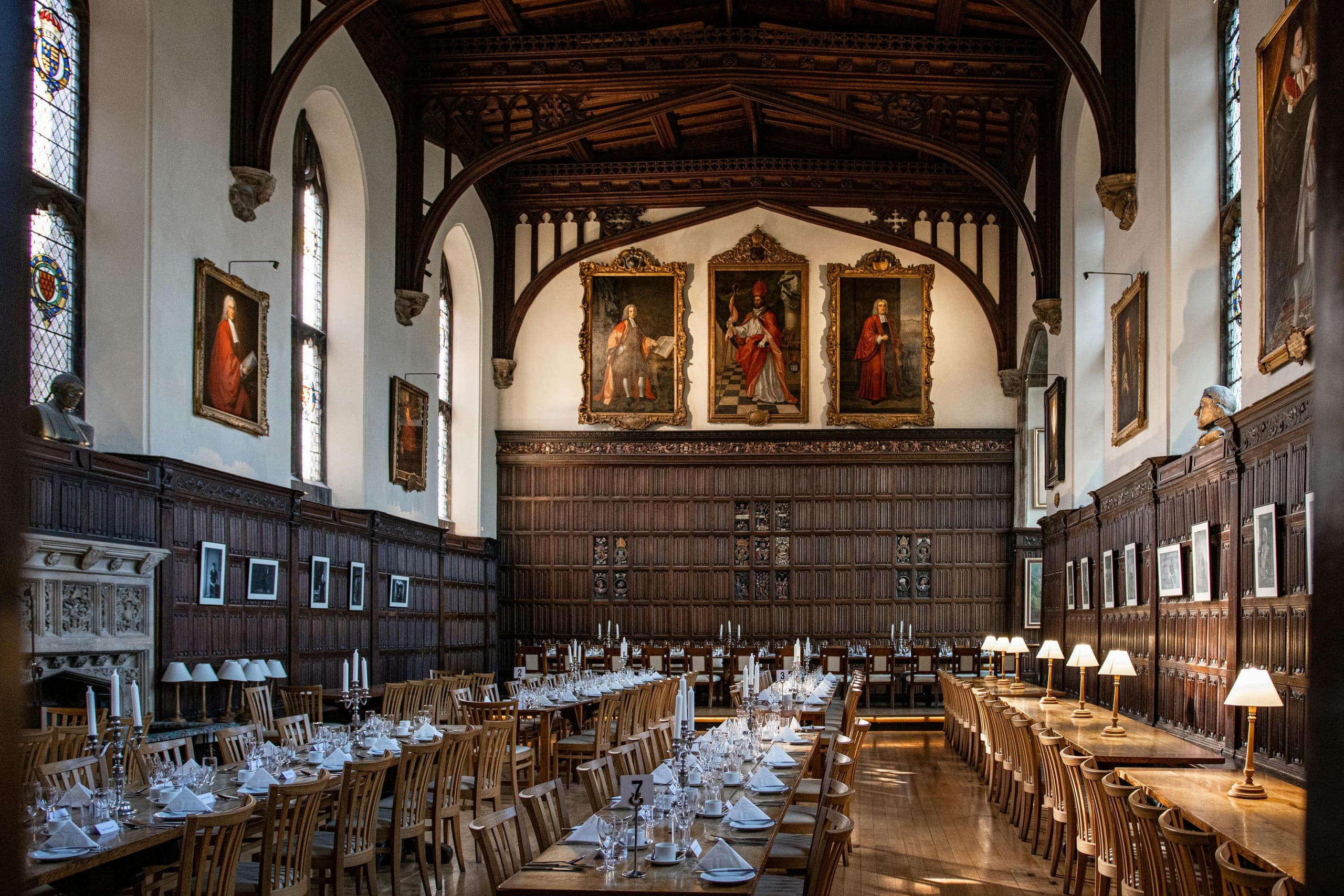
Year 1: Design Engineering foundations

Year
02 / 04
2
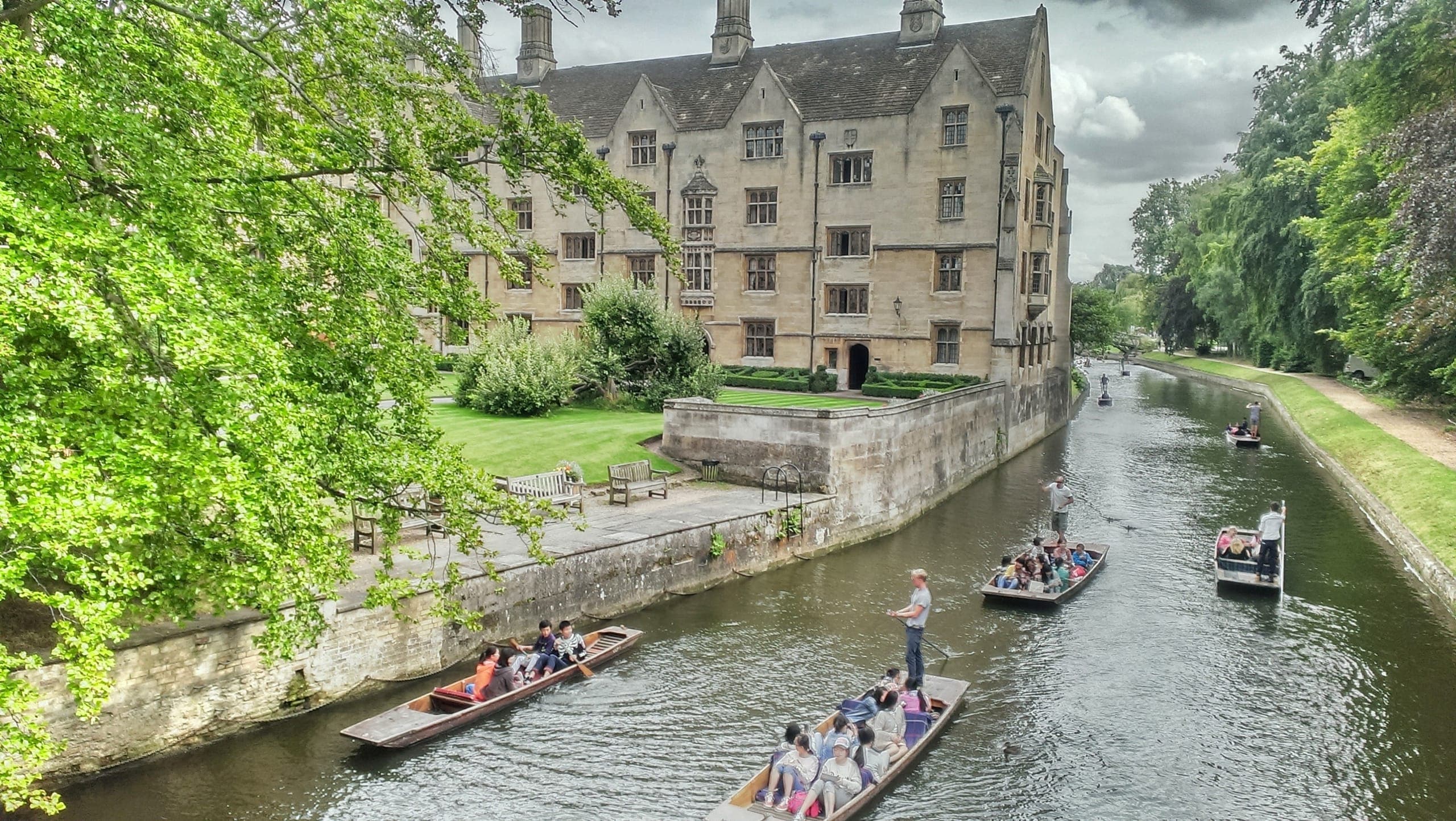
Year 2: Integrated engineering and product development
Year
03 / 04
3
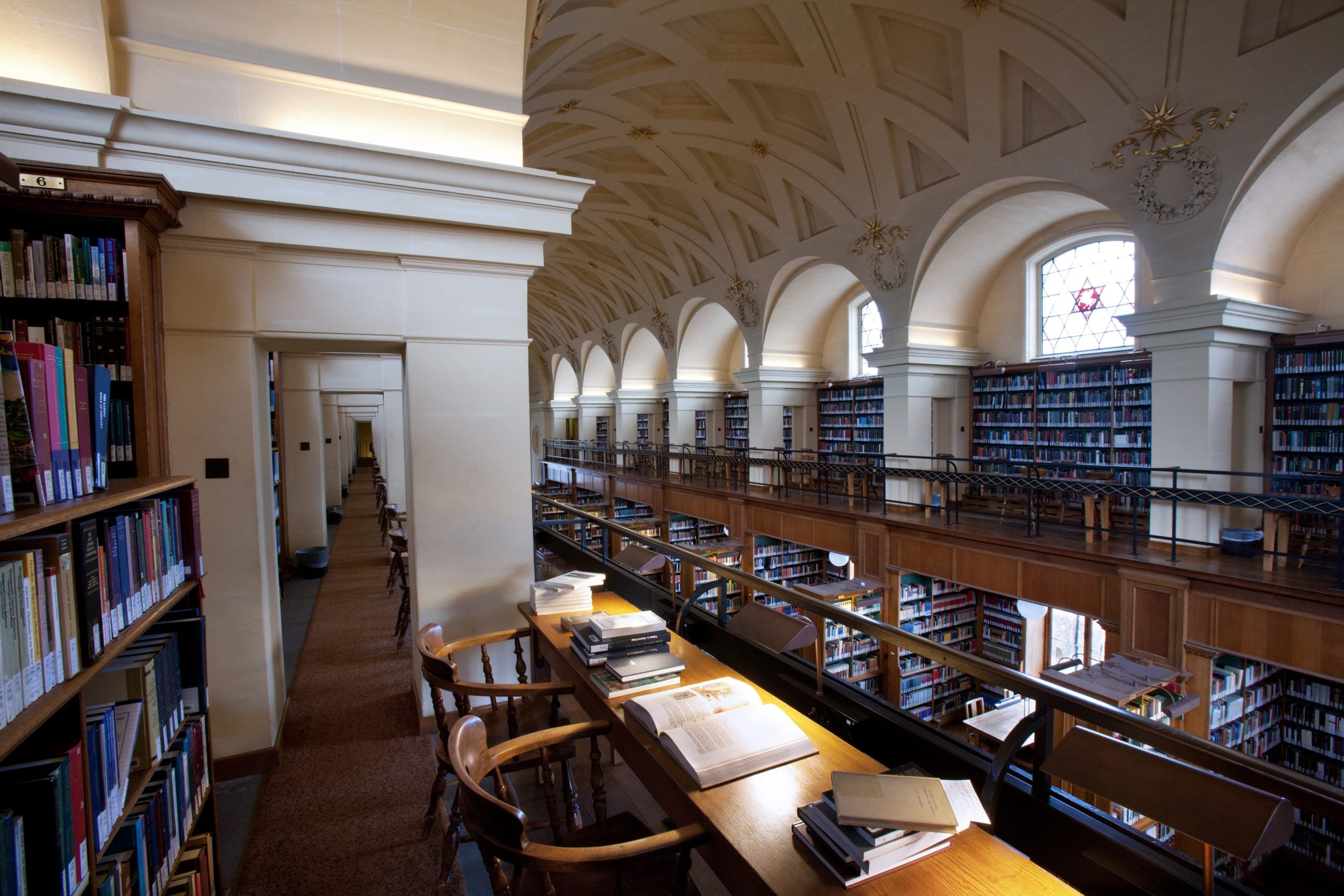
Year 3: Options and industrial placement
Year
04 / 04
4
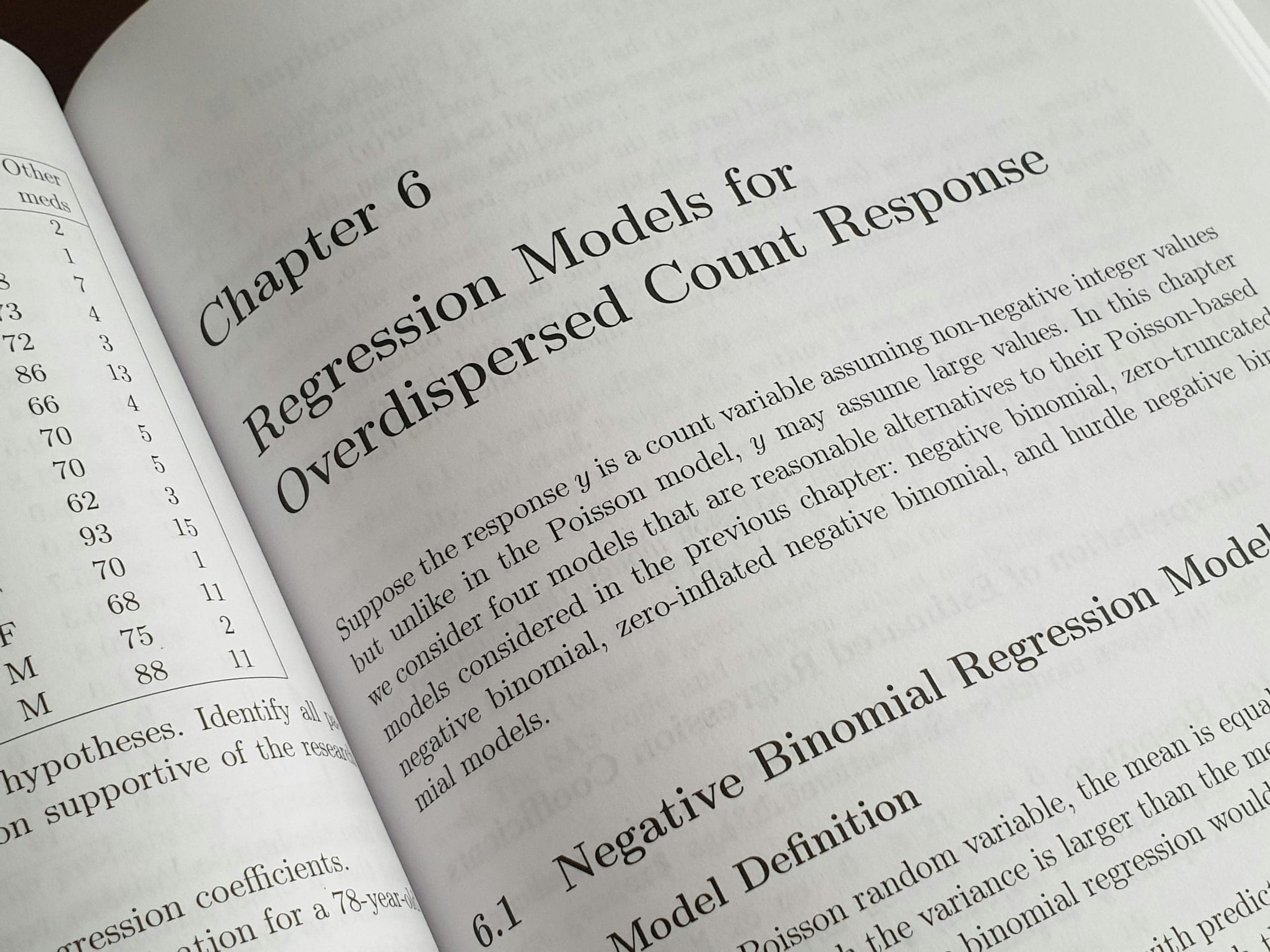
Year 4: Advanced options and final projects
Section 10
For this course, portfolio preparation is best treated as interview preparation rather than as a separate upload. Pick one project that lets you show problem framing, constraints, testing and iteration.
A concise showcase should make the design decision-making visible: what evidence you used, what failed, what changed, and what you would improve next. Avoid relying only on polished visuals; the strongest discussion is usually the reasoning behind the prototype or artefact.

Section 11
Start with the Imperial Design Engineering MEng course page because it is the official course source for the 2027 page. Use the UCAS Design Engineering MEng profile to cross-check the 2027 course listing and application details.
For admissions-test preparation, use the UAT-UK ESAT Page and the Pearson VUE UAT-UK test delivery page because those are the sources for the test and delivery route. For outcomes, use Discover Uni Design Engineering course data because it provides course and graduate-outcomes data.
Keep any third-party books, videos or competitions out of the main resource list unless each item has been separately checked for relevance and accuracy.

Section 12
Discover Uni reports that 95% of the sampled cohort were in work and/or study 15 months after graduation, based on 30 students, with occupation data based on 25 students. The career-sector visual should be read as indicative because it normalises rounded Discover Uni categories, and the source display can sum to more than 100 due to rounding.
Section 13
UCAS states that Imperial uses a holistic admissions approach and considers contextual information. For this course, that means contextual circumstances should be presented as part of how the application is reviewed, not as a guaranteed reduced offer unless Imperial's current contextual-admissions policy confirms that for Design Engineering.
Applicants should make sure relevant school, access, disability or extenuating-circumstances context is supplied through the correct UCAS, reference or official university route. The practical point is that strong academic evidence, ESAT performance, interview performance and design/project evidence still need to be read together rather than reduced to a single cutoff.
Watch & Learn
Student vlogs, mock interviews, lecture tasters, and admissions advice.
Student-life video from the Dyson School of Design Engineering, included as contextual viewing rather than admissions evidence.
All videos are the property of their respective creators.
Further Reading
Super-curricular reading, websites, and tools recommended by our expert tutors.